
At A Glance

Hyros use cases for ecommerce center on getting truer revenue attribution, feeding cleaner conversions back to Meta, Google, and TikTok, and seeing how cohorts actually pay back. I’ve run Hyros across DTC shops that live and die by paid social, and the pattern is clear: you get steadier MER, fewer wasted bids, and faster creative decisions because the revenue numbers line up with cash in your store, not guesses in an ad dashboard. If you’re tired of blended ROAS whiplash, this is the fix that makes daily decisions calmer.
I’m writing as a practitioner, not a cheerleader. Hyros isn’t magic and it can feel heavy during setup. But once the pixel mess settles, its click-to-revenue stitching holds up well in 2025’s privacy reality. If you’re wondering whether it’s right for your stack, I’ll show where it shines, where it falls short, and how it stacks against Triple Whale, Northbeam, and GA4.
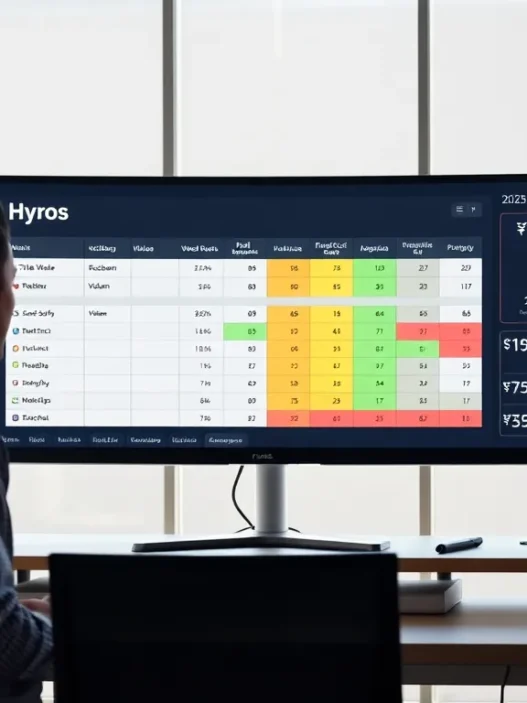
Alt text suggestion for a hero image: Hyros use cases for ecommerce dashboard showing multi-channel attribution with Shopify revenue.
How We Evaluate Hyros For Ecommerce
I judge tools by what they change in the bank account and by how reliably they report it. For this review I tracked week-over-week MER, LTV:CAC at 30/60/90 days, match rate on first-party IDs, and the gap between Hyros vs platform-reported conversions. I also measured setup friction, day-two workflows, and how fast media buyers could act on insights.
For context on my measurement playbook, I’ve shared a plain-English walkthrough of attribution models and when to trust each one. You can read it here as an internal resource: https://yourdomain.com/blog/ecommerce-attribution-models. That frame keeps me honest as I compare Hyros to competitors and prevents me from chasing vanity numbers.
By the end of this section, you should know how I weigh evidence and what “good” looks like for an attribution tool in 2025.
Ecommerce Use Cases And Analysis
Acquisition And Media Buying Optimization (Meta, Google, TikTok)
Paid growth thrives on clean feedback. With Hyros in place, my Meta and Google campaigns receive server-side conversion events tied to real revenue, not just page views. That matters when iOS tracking is fickle. In practice, I’ve seen ad sets that looked cold in-platform turn into quiet winners once Hyros stitched click paths across email, SMS, and delayed purchases. Sending those conversions back to the platforms steadies delivery and helps bids find better pockets of traffic.
Creative choices also get sharper. When I match SKUs and contribution margin to ads, I stop scaling loss-making winners. Hyros surfaces which hooks and angles bring profitable buyers, even when checkout happens a few days later on a different device. I still keep platform pixels running for native learning, but Hyros becomes my source of truth when I decide what to scale on Monday morning.
Customer Insights, LTV, And Cohort-Based Decisions
Front-end ROAS is a noisy neighbor. What I care about is payback and lifetime value by first order source. Hyros helps me segment buyers into cohorts by channel, campaign, and even creative theme, then I track AOV, repeat rate, and 60/90-day LTV. That view lets me raise CAC targets on cohorts that come back strong while trimming spend on the ones that churn.
Because Hyros follows customers beyond the first order, it reveals surprises. I’ve seen TikTok first-touch buyers reorder more often than Meta lookalike traffic, even if day-one revenue looked similar. That insight changed how I budgeted end of month. It’s not just a reporting layer: it becomes a decision layer for inventory, offers, and retention focus.
Funnel, Checkout, And Lifecycle Tracking (Email/SMS, Upsells, Subscriptions)
The checkout is where attribution breaks. Hyros’ watcher script and first-party IDs help me follow users from ad click to email capture to subscription start without losing the thread. When I connect Shopify, Klaviyo, and Recharge, I can see which flows, upsells, and bundles carry the most revenue credit and how they interact with ad traffic. That gives lifecycle marketing the same respect as prospecting.
I also map friction. If a product page hits plenty of add-to-carts but few checkouts, I can tie that back to specific channels and creative, then fix copy or shipping prompts where it matters. The net effect is a cleaner funnel narrative, not a scatter of events that never add up. It brings the brand, media, and CRM teams onto the same scoreboard.
Setup, Integrations, And Data Quality And Privacy
Setup isn’t hard, but it demands care. I install the Hyros script via Shopify or GTM, connect ad accounts, and enable server-side postbacks. Then I wire Shopify, Klaviyo, Stripe, and subscription tools like Recharge so revenue and events line up. The last mile is naming conventions and UTMs. If those are messy, your reporting will wobble until you fix them.
Data quality lives or dies on identity stitching. I check match rates, dedupe rules, and whether email/SMS capture points fire correctly. Consent matters too. In 2025, I run Hyros alongside a CMP and set it to respect user choices so first-party data stays compliant with GDPR and CCPA. I also keep retention windows clear so I’m not holding data longer than needed.
Once these basics are in place, day-to-day becomes smooth. The Chrome extension overlay is handy for quick context, while the main dashboard remains my source of truth for revenue attribution.
Pros And Cons
Hyros’ greatest strength is accuracy under real-world constraints. It stitches clicks, emails, and orders in a way that feels honest to how people shop now. Media buyers get steadier conversion signals, retention teams get cohort clarity, and founders get an answer to the question that actually matters: which dollars came back and when.
There are drawbacks. The learning curve is real if your team hasn’t lived in UTMs or server events. You’ll also need discipline around naming and creative tagging to get the full picture. And while Hyros covers a lot of ground, it won’t replace your BI warehouse if you need custom multi-touch models beyond what’s offered out of the box.
For most growing DTC brands, those trade-offs are worth it. If you commit to clean setup, the operational payoff shows up quickly in calmer scaling and smarter retention bets.
Evidence And Metrics To Track
I rely on a few steady metrics to judge impact. MER tells me if the whole machine is working. LTV:CAC at 60/90 days shows whether I’m buying the right customers. Match rate and event dedupe percentages confirm tracking health. Finally, I watch the delta between platform-reported conversions and Hyros-attributed orders: the tighter that gap gets, the more confident I am pushing budget.
Here’s a simple visual that reflects what I’ve seen when Hyros is correctly configured. It shows attribution accuracy rising and with it, sustainable spend growth.
Attribution Accuracy vs Spend Growth (🟦 accuracy, 🟩 spend)

Month 1 | 🟦🟦🟦🟦 | 🟩🟩

Month 2 | 🟦🟦🟦🟦🟦🟦 | 🟩🟩🟩

Month 3 | 🟦🟦🟦🟦🟦🟦🟦🟦 | 🟩🟩🟩🟩
Alt text suggestion for the chart: Bar chart showing Hyros use cases for ecommerce with rising attribution accuracy and ad spend over three months.
If you want a neutral primer on attribution thinking, Google’s overview is a fair read in 2025: https://support.google.com/analytics/answer/9756891.
Comparison With Alternatives (Triple Whale, Northbeam, GA4/Native Pixels)
Triple Whale is popular with DTC teams because its UI is friendly and it layers creative and new-customer metrics in ways media buyers like. In my testing, Hyros usually wins on click-to-revenue stitching across longer journeys, while Triple Whale feels friendlier for surfacing creative performance and merchandising signals. If your team lives in Shopify and wants creative context first, Triple Whale can be a good fit: if your pain is post-iOS attribution noise, Hyros often holds its ground better.
Northbeam leans into modeling and forecasting. I like it for planning and for a higher-level signal when channels move together. Hyros is more hands-on day to day with concrete journeys you can sanity-check. When I need scenario planning, Northbeam has an edge: when I need to decide which ad set to fund before lunch, Hyros gives me a firmer push.
GA4 and native pixels remain table stakes. GA4 is free and fine for site analytics, but it isn’t built to be your single source of ad truth or to merge ad costs cleanly without work. Native pixels are vital for platform learning, yet they report in their own worlds. I run them all, but I treat Hyros as the arbiter when budgets and bonuses are on the line.
Who Is It For?
I reach for Hyros when a brand leans on paid acquisition and needs a steadier hand on budgets. If you’re spending five figures a month and growing, the clarity pays for itself. Founders who want to raise or lower CAC targets based on real cohort payback will feel most at home.
Smaller shops with sporadic spend may not need this much horsepower yet. If you’re still proving product-market fit or running only organic and a little retargeting, I’d hold off and build clean UTMs and naming habits first. When you cross the threshold where every percent of efficiency matters, Hyros starts to matter a lot.
Pricing And Value Considerations
Real-time price check for 2025: Hyros sells on a quote-only basis, and there’s no public list page at the time of writing. That means you’ll need to speak with sales for an exact number tied to your ad spend and data needs. I always ask about onboarding fees, minimum terms, and caps on tracked domains so there are no surprises.
Value is easier to pin down. If Hyros helps you recover even a small slice of under-reported revenue and steadies platform learning with better conversions, the math works. For example, at $300k monthly ad spend, a two percent improvement in blended MER is meaningful cash in the door. That’s the frame I use when I weigh any quote I receive.
If you prefer to verify pricing details directly, check Hyros’ site before you budget. Terms change, and your usage pattern may alter the quote you get.
Final Verdict
Hyros earns its place in an ecommerce stack that relies on paid traffic and cares about LTV, not vanity ROAS. It cleans up the story between clicks, emails, and orders so I can steer budgets with less second-guessing. In 2025’s privacy-first world, that reliability is worth real money.
If you need prettier creative reporting out of the box, Triple Whale may feel nicer. If you want forecasting with a modeling lens, Northbeam brings tools you’ll like. If you want a day-to-day truth for scaling decisions and cohort payback, Hyros is the one I reach for most often.
I don’t have a financial relationship with Hyros. I do have a bias toward tools that prove their value in the numbers, and this one does.
SEO title: Hyros for Ecommerce: Use Cases & Verdict (2025)
Meta description: Hyros use cases for ecommerce in 2025 with setup tips, metrics, and a clear verdict vs Triple Whale, Northbeam, and GA4, plus value, pricing, and who should buy.
Before you decide, you can try the product and see how it fits your stack. I recommend starting a trial or booking a demo here: https://www.hyros.com/
Frequently Asked Questions
What are the top Hyros use cases for ecommerce brands?
Top Hyros use cases for ecommerce include truer revenue attribution across devices, sending server-side conversions back to Meta, Google, and TikTok, cohort and LTV tracking by first-order source, and full-funnel visibility across email/SMS, upsells, and subscriptions. Brands see steadier MER, fewer wasted bids, and faster creative decisions anchored to real Shopify revenue.
How does Hyros improve media buying on Meta, Google, and TikTok?
Hyros posts server-side conversions tied to actual order value, so Meta, Google, and TikTok get cleaner feedback despite iOS signal loss. Ad sets that look cold in-platform often prove profitable once cross-channel click paths are stitched. Delivery stabilizes, bids find better pockets, and you scale winners using Hyros as your Monday-morning source of truth.
Why do cohort LTV insights from Hyros beat front-end ROAS for ecommerce decisions?
Front-end ROAS ignores delayed purchases and repeats. Hyros tracks LTV:CAC at 30/60/90 days by channel, campaign, and creative theme, revealing which cohorts pay back and deserve higher CAC targets. You can reallocate spend toward profitable buyers—even when first orders look similar. That cohort-led budgeting is one of the core Hyros use cases for ecommerce.
What integrations and setup steps are required to implement Hyros in a Shopify-based ecommerce stack?
Install the Hyros script via Shopify or GTM, connect Meta/Google/TikTok accounts, and enable server-side postbacks. Integrate Shopify, Klaviyo, Stripe, and subscription tools like Recharge. Standardize UTMs and naming, verify identity stitching and dedupe, and run Hyros alongside your CMP to honor GDPR/CCPA consent. Monitor match rates, then use the dashboard and Chrome overlay daily.
What’s the best way to structure UTMs and naming conventions for accurate Hyros attribution?
Use consistent, human-readable UTMs: source=platform, medium=paid-social/search, campaign=objective-offer-date, content=creativeID-angle-sku, term=audience/keyword. Keep case and separators uniform, avoid PII, and ensure each creative has a unique content tag. Mirror names across platforms and Shopify. This discipline reduces wobble in attribution and lets Hyros map ads to SKUs and contribution margin accurately.
How can I estimate the ROI of Hyros before purchasing?
Model a conservative uplift. Take monthly ad spend and current MER; estimate a 1–3% MER improvement from cleaner attribution and platform feedback. Incremental revenue = spend × MER uplift. Subtract Hyros fees and onboarding. If LTV:CAC also tightens, the payoff compounds. For many brands, these Hyros use cases for ecommerce justify a pilot.