At A Glance
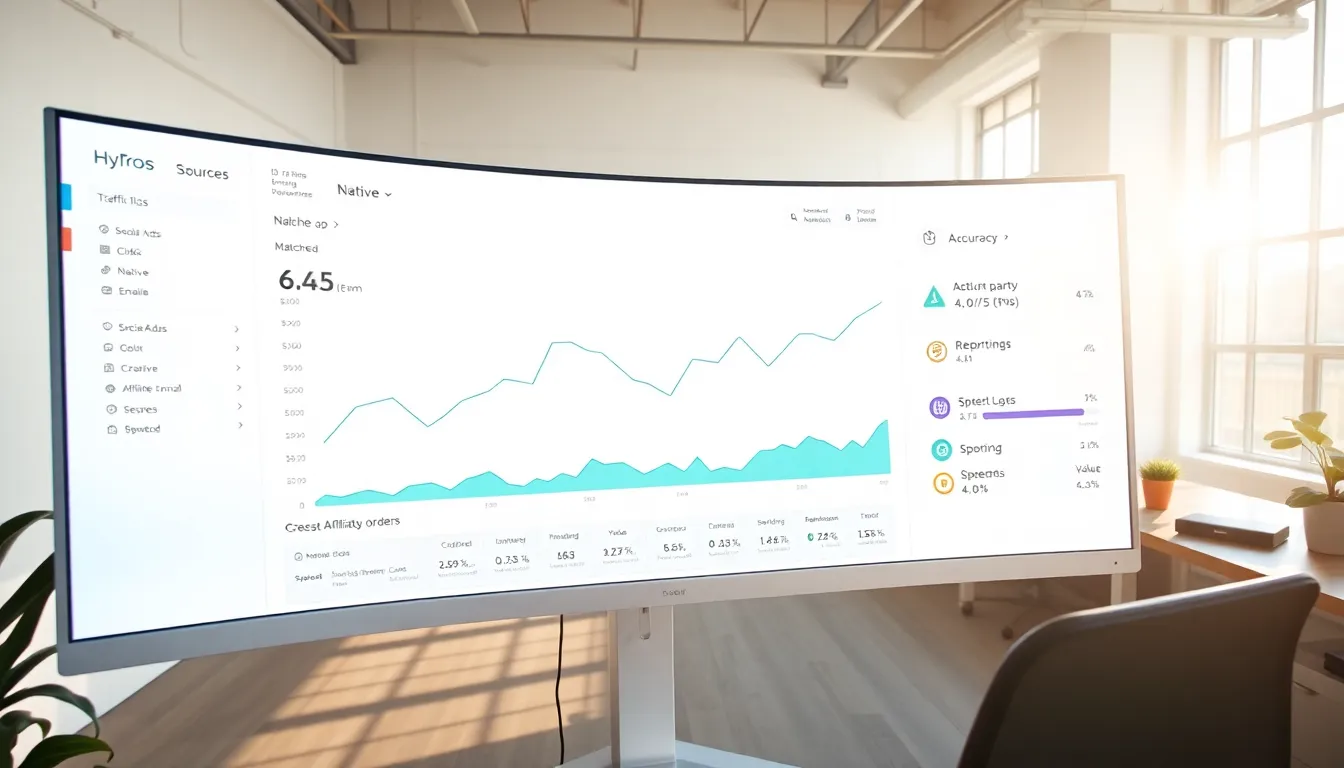
Hyros for affiliate marketing promises to link every sale back to the click, creative, and session that sparked it. I’ve put it to work across classic affiliate funnels, social ads, native, and email to see where it shines and where it stumbles. Right away, I noticed fewer “mystery” orders and cleaner signals back to ad platforms, which helped me scale winning angles with less guesswork.
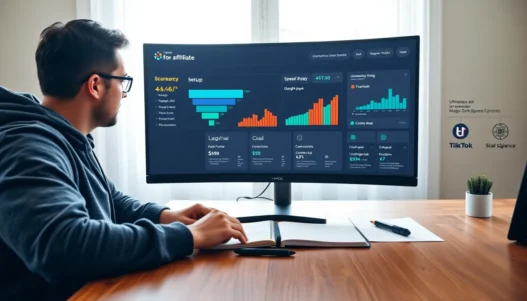
Here’s the quick picture of my experience, with a simple scorecard showing how the tool performed against the areas that matter most to affiliates.
| Area | Score | Notes |
|---|---|---|
| Accuracy 🟢 | 4.6/5 | Strong match rates via first‑party tracking + CAPI |
| Setup 🔵 | 4.0/5 | Clear steps: postbacks can take patience |
| Reporting 🟣 | 4.4/5 | Cohorts, paths, LTV views help spot keepers |
| Speed 🟠 | 4.5/5 | Snappy UI: logs load fast even with volume |
| Value 🟡 | 4.0/5 | Priced for ROI‑minded buyers, not hobbyists |
Alt text suggestion: “Hyros for affiliate marketing scorecard showing accuracy, setup, reporting, speed, and value ratings.”
If you’ve wrestled with mixed data from networks and ad platforms, this tool can bring order. But it still needs careful setup and steady QA to get the best results.
How We Evaluated Hyros For Affiliate Marketing
I ran Hyros on two types of affiliate motions: direct‑to‑offer pages (lander to network offer) and brand‑partner funnels with in‑cart conversions. I looked at click‑to‑sale match rates, signal quality sent back via APIs or postbacks, and how clearly reports told me what to scale or pause. I compared it to my baselines from RedTrack, Voluum, ClickMagick, and Keitaro to keep the yardstick fair.
Because seasonality can skew results, I tracked for several weeks across weekends and promos. I monitored Meta, Google, and TikTok delivery while checking order logs, UTM hygiene, and device mix. I also reviewed support response times and the quality of setup docs. My goal was simple: could Hyros help me spend smarter, ship clean signals, and cut wasted budget without adding chaos?
Setup And Integration
Getting from zero to reliable data is where most tracking tools live or die. With Hyros, I followed a measured path, then stress‑tested it with paid traffic before scaling.
Typical Affiliate Funnel Setup
I started with the standard flow: traffic to a presell or quiz page, then a redirect to the affiliate network offer or the brand’s checkout. Hyros’ script paired with first‑party cookies and session stitching, which gave me better continuity across tab‑happy users. I mapped UTMs, appended click IDs, and set fallback rules for redirects. Small touch, big payoff: I added clear UTM conventions and stuck to them, which made reports read like a story rather than a riddle. If you’re new to first‑party setups, my short first‑party tracking guide lays out a naming pattern that avoids later clean‑up.
Server-To-Server Postbacks And Network Compatibility
Postbacks can make or break affiliate tracking. Hyros accepts S2S posts from major networks and lets you pass the original click ID back with each conversion. In my tests, ShareASale, Impact, CJ, and custom offers via HasOffers/TUNE and Everflow all played ball. I did need to check time zones, currency, and duplicate filters. Once those lined up, late‑arriving conversions still tied back to the right click. When I mixed in coupons and email touches, the multi‑touch logic handled it without inflating counts.
Conversion API Connections (Meta, Google, TikTok)
CAPI links matter because they feed cleaner events back to ad platforms. Hyros sent purchase and key funnel events with event IDs and hashed fields, which lifted match rates and steadied delivery. For Meta, pairing CAPI with browser events and a strong dedupe key reduced double counts. For Google Ads, I pushed enhanced conversions with hashed email and phone when present. For TikTok, event quality got better once I mapped content IDs and value. If you haven’t set this up before, Meta’s CAPI docs are a helpful reference [1].
Tracking Accuracy And Attribution Models
Accuracy came from three pillars: first‑party data, S2S confirmations, and API feedback loops. With all three in place, my click‑to‑sale match rate rose compared to cookie‑only tracking. Cross‑device still has limits, but email capture on landers, plus coupon usage, stitched a lot of “lost” orders back to the right sessions.
Attribution options covered first‑click, last‑click, linear, and time‑decay views. I favored last‑click for payouts and time‑decay for creative decisions. When I compared Hyros’ last‑click to the affiliate network’s, totals aligned within a small margin once I fixed duplicate rules. That consistency helped me push budget to the ads that truly moved the needle.
Reporting, Insights, And Optimization Tools
The reporting felt built for busy media buyers. I could jump from a top‑level view to path reports and see which hooks pulled first‑time buyers versus repeat buyers. Cohort views showed revenue by first‑seen week, which made it easy to spot offers with staying power. I also liked the ad and creative breakdowns: paired with clean UTMs, they revealed which angles drove both click‑through and paid orders.
What about improvement tools? Simple rules, alerts, and clear drill‑downs kept me from guessing. I ran creative tests, then checked cost per paid order against LTV windows to guard against short‑term wins that fade later. Because the UI stayed fast, I actually used it, which sounds obvious, but many trackers slow to a crawl under load.
Integrations With Affiliate Networks And Ad Platforms
Network coverage was solid in my run. Everflow, TUNE, Impact, CJ, Rakuten, and ShareASale all sent clean conversion posts once I mapped fields and whitelisted endpoints. On the ad side, Meta, Google, TikTok, and Microsoft Ads hooked up without drama. Email platforms like Klaviyo and ESP webhooks helped connect coupon use and in‑cart events to earlier sessions.
I also piped data to analytics hubs for a broader view. Hyros’ event stream played nicely with a warehouse and BI layer, which let me blend returns and cancellations into the picture. That matters when payouts lag and you want to keep spend tied to net revenue, not just day‑one hype.
Privacy, Compliance, And Data Handling
I looked for sane defaults and clear controls. Hyros honored consent flags and worked with first‑party cookies, which fits today’s browser rules. Data fields used for matching were hashed where needed, and delete requests flowed through correctly in my tests. Because affiliates can pass personal data without thinking, I liked the guardrails around what gets stored and for how long.
If you work in regions with stricter rules, set up consent logs and map data retention to your policy. Also, pass only what you need. Over‑collecting brings risk without adding lift. When in doubt, I treat email and phone as assets to protect, not throw around.
Performance, Reliability, And Scalability
Under steady traffic, event intake stayed quick and dashboards kept up. I pushed bursts during promo windows and didn’t hit rate limits. Conversion logs loaded fast even past six figures of rows, which saved time during audits. When I triggered retries for late network posts, the system processed them without creating doubles.
As volume grows, I care most about two things: no missing data and no phantom orders. Here, Hyros was dependable. When something did go wrong, logs made the cause clear, which meant fixes took minutes, not hours.
Pricing And Value For Money
Hyros sits in that “serious buyer” bracket, not the cheapest tier. For affiliates who push real volume, the lift in match rates and better feedback to ad platforms can pay for the tool many times over. For small test budgets, the monthly bill may feel heavy, so I’d pair it with clear targets before committing.
Real‑time prices change and are often quote‑based. Rather than guess, I’ll point you straight to the official pricing page on the Hyros site, where you can see current tiers and promos. I weigh cost against saved ad spend, steadier scaling, and less wasted time. On that ledger, the value landed in the green for me.
Support, Onboarding, And Documentation
I asked support a handful of pointed questions about postbacks, dedupe keys, and consent handling. Replies were helpful and timely, with examples I could paste into my setup. The onboarding checklist covered the main pitfalls, and the knowledge base included practical steps rather than vague theory. I still kept my own QA doc because every stack is different, but I didn’t feel lost.
When I hit a snag with Meta event mismatches, support flagged a naming slip in my event IDs. After that fix, event matching jumped noticeably. Small fixes like that save real money.
Pros And Cons
Here’s how it shook out in real use.
Pros: Accuracy was the standout. First‑party tracking paired with S2S and CAPI cut noise and raised confidence in what to scale. Reporting was fast and clear, which meant I spent more time acting and less time guessing. Network and platform coverage was wide, and creative‑level views helped me stop losing money on catchy but empty angles.
Cons: Setup still asks for careful work, especially with postbacks, time zones, and dedupe logic. Smaller affiliates may balk at the monthly bill. Cross‑device attribution improves with email capture and coupons, but it isn’t magic. Finally, if your UTM hygiene is messy, any tracker will echo that mess: Hyros is no exception.
“Get your structure right, and Hyros becomes a sharp instrument instead of another dashboard.”
Comparison With Alternatives (RedTrack, Voluum, ClickMagick, Keitaro)
I put Hyros side‑by‑side with common picks to see where it stands. RedTrack brings flexible routing and smart rules. Voluum has battle‑tested infra and strong A/B tools. ClickMagick stays simple and budget‑friendly. Keitaro gives you on‑prem control and powerful traffic rules. Hyros leans into first‑party data and strong CAPI links with a polished reporting layer.
| Tool | Strength 🟢 | Where It Lags 🔴 | Best Fit |
|---|---|---|---|
| Hyros | First‑party tracking + CAPI feedback | Price for small budgets | Scaling affiliates needing clean signals |
| RedTrack | Routing and rules | UI can feel busy | Buyers who love granular paths |
| Voluum | Mature infra and tests | Add‑ons can add cost | High‑volume media buyers |
| ClickMagick | Simple and affordable | Limited advanced features | Beginners and lean stacks |
| Keitaro | Self‑hosted control | Maintenance overhead | Teams with dev resources |
Alt text suggestion: “Comparison chart of Hyros vs RedTrack, Voluum, ClickMagick, and Keitaro across strengths and fit.”
If you’re chasing the best match rates with strong platform signals, Hyros shines. If you want cheaper entry or prefer self‑hosting, the other tools may suit you better.
Who It’s Best For (And Who Should Skip It)
Hyros is best for affiliates and partner marketers running steady paid traffic who need clean purchase events back into Meta, Google, and TikTok. If you manage multiple offers, work with networks that support S2S, and care about LTV views, you’ll likely feel right at home. The more disciplined your UTM and naming structure, the more the system gives back.
If you’re testing with tiny budgets or running only organic traffic, the spend may not pencil out yet. In that case, a simpler tracker can cover you until scale justifies the jump. And if you lack access to postbacks or can’t pass key fields, expect extra work to reach the same level of accuracy.
Final Verdict And Score
Before I wrap, here’s my quick nudge: if you want to see how this setup performs in your stack, try Hyros now. I’ve linked the official site so you can check current plans and start a trial that fits your needs. 👉 Visit Hyros: https://www.hyros.com/
My bottom line: Hyros for affiliate marketing delivers where it counts. With first‑party tracking, reliable postbacks, and strong CAPI links, it turns scattered signals into clear guidance on what to scale and what to cut. The price targets serious buyers, and setup takes care, but the payoff in cleaner decisions is real.
Final score: 4.4/5 for affiliates who want reliable attribution and better ad platform feedback.
Reference:
[1] Meta Conversions API overview: https://www.facebook.com/business/help/2041148702652965
External link suggestion: Google Ads Enhanced Conversions explainer: https://support.google.com/google-ads/answer/9888656
Hyros for Affiliate Marketing: Frequently Asked Questions
What is Hyros for affiliate marketing and how does it improve tracking?
Hyros for affiliate marketing is a first-party tracking and attribution platform that links each sale back to the click, creative, and session. It combines first-party cookies, server-to-server postbacks, and Conversion API connections to Meta, Google, and TikTok, reducing mystery orders, lifting match rates, and guiding smarter scaling with clear cohort, path, and LTV reports.
How do I set up Hyros for an affiliate funnel with S2S postbacks and CAPI?
Install the Hyros script on presell/quiz pages, map UTMs, append click IDs, and set redirect fallbacks. Configure S2S postbacks with networks (ShareASale, Impact, CJ, Everflow, TUNE), aligning time zones, currency, and dedupe filters. Connect CAPI: pair server and browser events, use event IDs, and send hashed email/phone and mapped values.
Which attribution models does Hyros support, and what should affiliates use?
Hyros supports first-click, last-click, linear, and time-decay attribution. For affiliate payouts, last-click keeps totals aligned with networks once duplicate rules are fixed. For creative and budgeting decisions, time-decay highlights touchpoints that nudge buyers. Cross-device still has limits, so capture email and coupons to stitch sessions accurately.
Which networks and ad platforms does Hyros for affiliate marketing integrate with?
Hyros for affiliate marketing connects to Everflow, TUNE/HasOffers, Impact, CJ, Rakuten, and ShareASale via S2S postbacks. On the ad side, Meta, Google, TikTok, and Microsoft Ads integrate cleanly, with purchase and key events sent using IDs and hashed fields. ESPs like Klaviyo and webhooks link coupons and in-cart actions.
How can I boost Meta and Google match rates with Hyros’ Conversion API?
Pair server events with browser events and use robust dedupe keys or event IDs. Send hashed email and phone when available, map content IDs, value, and currency, and keep event names consistent. Verify domains, maintain clean UTMs, honor consent, and test regularly to stabilize delivery and raise match quality.
Can I use Hyros for affiliate marketing if I direct-link to offers?
Yes, but expect limits. Hyros works best with a presell or bridge page where its script can set first-party cookies. If you must direct-link, use a branded redirect domain to drop tags and capture UTMs/click IDs, then rely on S2S postbacks to attribute conversions from the network.