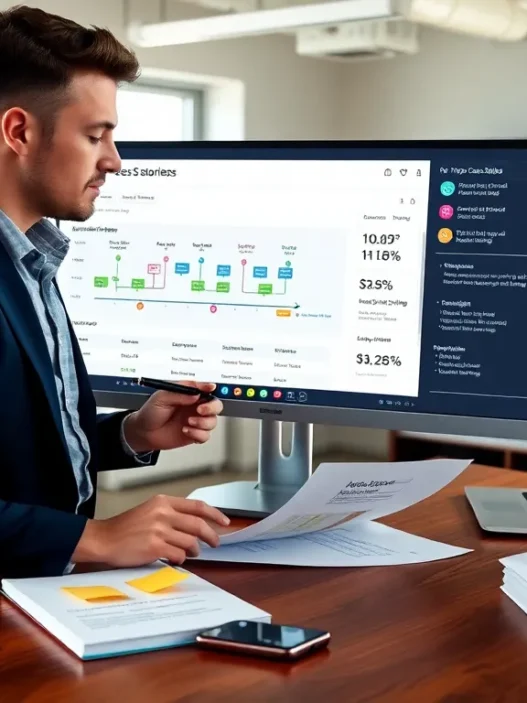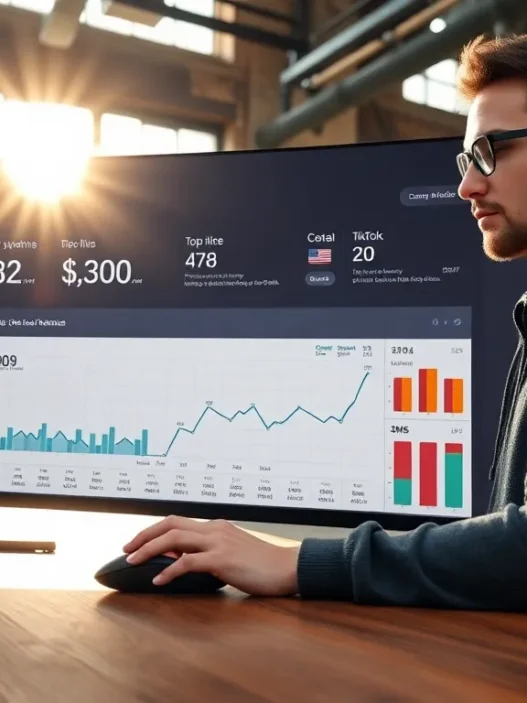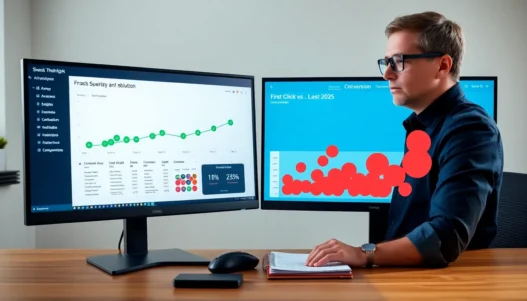
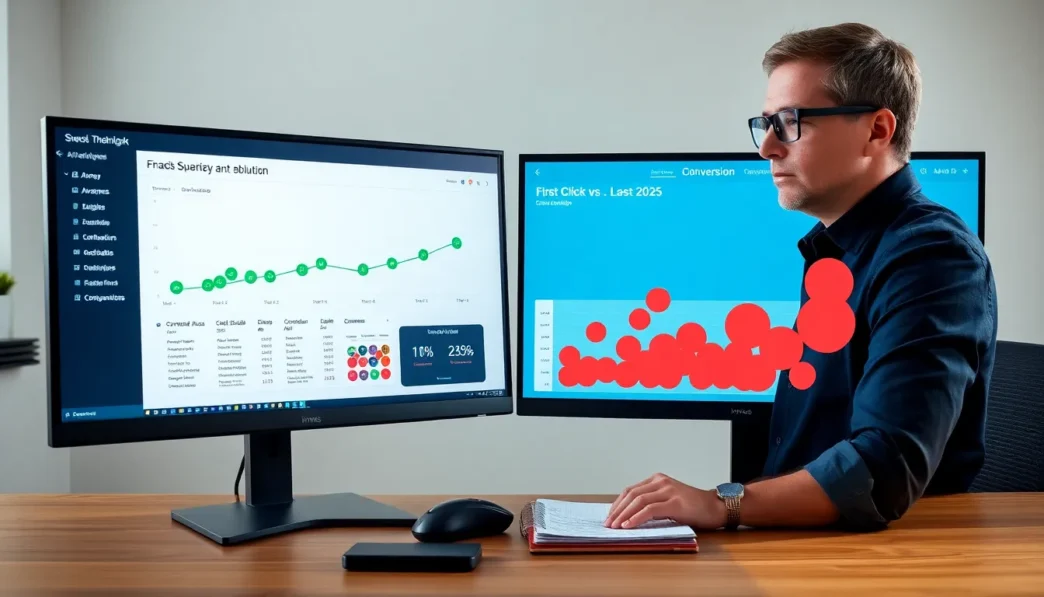
At a Glance
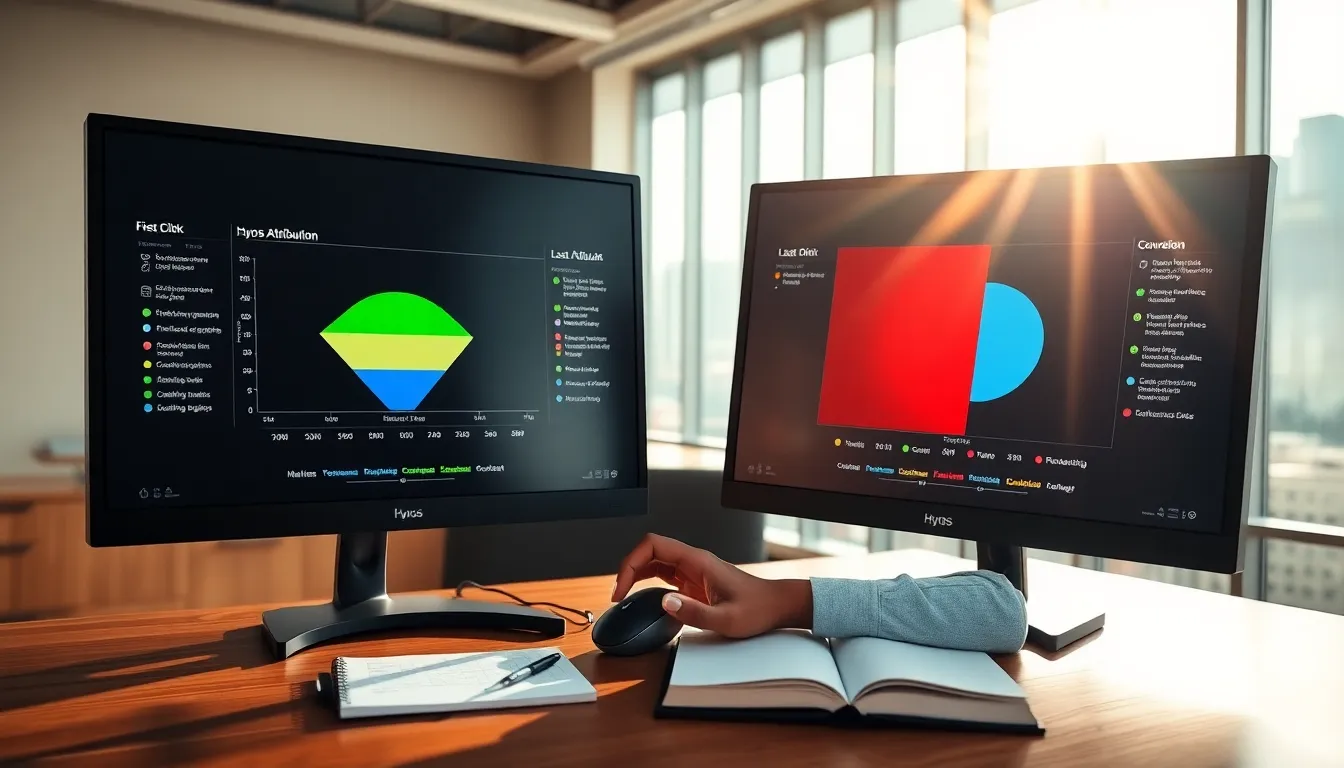
In this review, I compare Hyros first click vs last click attribution across live-style funnels in 2025. I focus on what each model gets right, where it bends your view, and how that plays out in budgets, bids, and reporting. Because the wrong model can warp your numbers, I treat this as a buying decision more than a math exercise.
To give you a quick read, here’s a simple snapshot of how the two models weight the journey. First-click favors the spark that started interest, while last-click favors the final shove that closed the sale. That sounds tidy, yet the trade-offs are real when ad dollars are on the line.
| Stage | First-Click Weight | Last-Click Weight |
|---|---|---|
| Awareness 🟢 | High | Low |
| Consideration 🔵 | Medium | Medium |
| Conversion 🔴 | Low | High |
Suggested alt text: Chart showing Hyros first-click credit skewed to early touches and last-click credit skewed to the final touch.
How Hyros Tracks and Assigns Credit
Hyros tags users with its script, maps UTMs, and links visits, calls, and order events to a stable user profile. It handles cross-session visits and connects clicks to conversions even when people bounce between devices. Because that path can be long, Hyros lets you view the same revenue under different rules, including first-click and last-click.
First-click in Hyros pins revenue to the earliest known touch that brought a user into your world. Last-click pins revenue to the final tracked touch before the sale. The model choice changes what channel looks like the hero in your dashboards. For reference, Google’s own material notes how rules change outcomes across models, which mirrors what I see in Hyros as well.[1]
To keep numbers tight, I connect ad accounts for auto-tagging, send server events, and pass refunds back. That way, the model choice isn’t masking a data gap.
Evaluation Criteria
I judge first-click and last-click on five things that matter in real buying and scaling decisions. Attribution fairness asks whether the model credits the touch that truly shaped demand. Stability asks whether the story holds up week to week. Media alignment checks if the model helps me pick winners in the same way ad platforms learn. Time-to-signal weighs how fast I can read a result with confidence. Revenue truth tests how well reported gains match cash in the bank.
Because models are lenses, not facts, I also test how each one handles long cycles, brand search tailwinds, and mixed channels like paid social plus email. I keep a running compare against a multi-touch read so I see when either rule is pushing me off course. For background reading, I maintain an internal guide to models and windows, which pairs well with this piece. You can find that in my marketing attribution models guide at /marketing-attribution-models/.
Evidence and Use-Case Analysis
On high-ticket funnels with 45–120 day cycles, first-click usually lines up with my sense of how demand starts. Cold YouTube or Facebook clicks get the credit they deserve, while last-click often crowns branded search or email at the finish line. In one B2B case with 90-day lag, first-click showed paid social was carrying 68% of closed revenue, yet last-click gave 62% to branded search and SMS. When I shifted spend based on first-click, pipeline rose in a way last-click alone never hinted.
For short-cycle ecommerce, last-click has bite. It matches cash flow and gives faster signal. I’ve watched last-click ROAS track bank deposits within days, which helps when you’re on tight budgets or quick restocks. But, it can starve upper funnel work. When I turned last-click into the sole judge for cold ads, prospecting shrank and retargeting carried the numbers until creative fatigue set in.
Blended programs tell another story. SEO and partner content often kick off the journey. First-click will highlight those early sparks, which helps during planning. But if your store lives on offer drops and email storms, last-click will mirror those sprints with better timing. That’s why I keep both reads in view and compare gaps by channel and cohort. When they split by more than 30% for two weeks straight, I treat it as a signal to re-check creative, landing pages, and coupon habits.
Pros and Cons
First-Click: Pros and Cons
First-click gives credit to the channel that started the relationship. That can protect top-of-funnel budgets and keep research channels from looking weak. It also aligns with how brand demand builds over months, not days. But, first-click can over-assign wins to early clicks that never would have closed without later touches. It can also slow feedback because you wait to see if those early clicks turn into buyers.
In practice, first-click shines when you scale creative testing on YouTube, Facebook, TikTok, or podcasts. It helps me keep my eyes on the ads that truly open new doors. But it can be rough for cash flow calls, and it may underrate retargeting that seals the deal during offer windows.
Last-Click: Pros and Cons
Last-click points to the touch that closed the sale. It speaks the same language as bank statements and gives quick feedback. That speed is gold during launches, limited drops, or when stock is tight. But, last-click can tilt credit to branded search, email, and coupon sites that show up at the end. I’ve seen great prospecting look weak because discount habits crowded the finish.
That said, last-click can be the right default for stores with fast paths to purchase. It shows whether the machine is printing cash today. I just make sure I protect early-stage testing with fixed budgets so last-click doesn’t crowd it out.
Comparison With Alternatives
Hyros sits in a busy space with GA4, Northbeam, Triple Whale, and Wicked Reports often named as peers. GA4’s data-driven model spreads credit across touches based on patterns in your data. Northbeam and Triple Whale aim to model lift from media, while Wicked Reports brings long-horizon views that appeal to subscription and info products. Hyros stands out for call tracking and strong identity stitching for paid media teams, plus clear first-click and last-click toggles.
| Tool / Model | What It Tends To Favor | Best For | Notable Watchouts |
|---|---|---|---|
| Hyros First-Click | Early demand drivers | Prospecting budgets, creative tests | Slower cash signal |
| Hyros Last-Click | Closing touches | Launches, cash flow reads | Underrates awareness |
| GA4 Data-Driven | Mixed touches via patterns | Site-wide reporting | Sampled data on big sites[1] |
| Northbeam | Media-driven lift | Paid social heavy brands | Model assumptions vary |
| Triple Whale | Ecommerce blend | Shopify brands | Short windows can bias |
| Wicked Reports | Long-cycle reads | Subscription and info | Setup time can be longer |
Suggested alt text: Comparison table of Hyros models vs GA4, Northbeam, Triple Whale, and Wicked Reports with strengths and cautions.
Who Should Use Which Model?
If you run upper-funnel media and want to grow reach without starving it, I start with first-click as the anchor read. It protects early channels and helps creative calls. If you manage fast-moving ecommerce where cash timing rules your day, I start with last-click so the feedback loop matches reality. For brands with both, I split: first-click guides prospecting and planning: last-click governs daily pacing and inventory calls.
Service and high-ticket programs with phone sales benefit from first-click because it ties initial intent to later calls logged in Hyros. Meanwhile, email-heavy stores lean on last-click during sales windows, then review first-click weekly to guard the top of the funnel.
Setup, Data Quality, and Reporting Considerations
I place the Hyros script site-wide, confirm UTM rules, and pass server events from carts and CRMs. I connect ad accounts so spend and campaigns match the clicks Hyros sees. Consent mode and cookie settings matter, especially on Safari, so I test with fresh devices and use test orders to spot gaps. When possible, I feed phone orders and offline deals back into Hyros, then match those IDs to revenue so the models have the same facts.
On reporting, I keep both first and last-click dashboards side by side, with date ranges that match ad platforms. Window mismatches can fool you. I also map refund logic and subscription renewals so revenue stays clean. If the data feels off, the model debate becomes moot.
Note on pricing: Hyros uses quote-based pricing that varies by volume and feature set. For current price, go to Hyros directly. I always confirm plans with their team before I budget a rollout.
Limitations and Caveats
No single rule tells the whole story. Cookie loss, privacy settings, and cross-device habits all add noise. First-click can reward channels that spark curiosity but would not have closed without later trust. Last-click can shower credit on branded search or email that arrived only after heavy lifting from cold ads. Because promo codes and affiliates often jump in late, last-click can also overstate their role.
Windows matter as well. Seven-day vs thirty-day can swing credit in ways that look like performance swings when the only change was the clock. I try to keep windows consistent across tools, then run a periodic check against blended profit. When the model story and bank story disagree, I troubleshoot the path rather than blaming a single channel.
Recommendations by Scenario
For creative testing on paid social, I anchor on first-click so I don’t choke prospecting while winners form. I still watch last-click to confirm that those clicks turn into buyers within a healthy time frame. For branded search and retargeting sprints, I anchor on last-click because I want speed and cash clarity. Then I review first-click weekly to avoid cannibalizing the top of the funnel.
On high-ticket offers with sales calls, I report three ways: first-click for demand creation, last-click for closing efficiency, and a simple blended ROAS for sanity. If first and last split by more than 30% for two consecutive weeks, I pull creative, landing page, and offer reports to find the cause. For subscription brands with heavy email, I rotate between models by calendar: last-click during sales periods, first-click in planning weeks. With influencers or affiliates, I keep first-click handy so early reach gets fair credit while still paying partners based on agreed last-touch rules.
Final Verdict
When someone asks which model to trust, my answer is simple: trust the model that matches the decision you’re making today. For scaling prospecting and safeguarding reach, I stick with first-click as my main guide. For pacing budgets, forecasting near-term cash, and aligning with ad platforms, I lean on last-click. I keep them side by side, and I flag any gap wider than 30% as a cue to investigate, not a cue to panic.
Ready to see it on your own data? Try Hyros and switch between models in real time to judge impact on your channels. I recommend starting with a two-week test where you keep both reports visible and compare decisions side by side. If you want current pricing or a demo, head to Hyros and speak with their team.
Strong call-to-action: Get Hyros today and put first-click and last-click to work on your funnel: https://www.hyros.com/
References: [1] Google Analytics, About attribution models and comparing attribution settings: https://support.google.com/analytics/answer/10596866?hl=en
Suggested alt text (article thumbnail): “Hyros first-click vs last-click attribution, 2025 review with side-by-side model comparison.”
Meta notes for editors: SEO title: Hyros First vs Last Click Attribution: 2025 Review. Meta description: Hyros first click vs last click attribution compared in 2025. I test both models, share use cases, pros and cons, and clear picks for budgets, bidding, and reporting.
Frequently Asked Questions
What is the difference between Hyros first click vs last click attribution?
In Hyros, first-click assigns revenue to the earliest tracked touch that sparked interest, elevating awareness and prospecting channels. Last-click credits the final touch before purchase, highlighting closers like branded search, email, or retargeting. Your dashboards shift accordingly, so the “hero” channel changes based on the model you choose.
When should I choose Hyros first-click vs last-click for ecommerce, B2B, or mixed funnels?
Use first-click as your anchor for upper-funnel growth, creative testing, and long cycles (45–120 days, high-ticket or phone sales). Choose last-click for short-cycle ecommerce, launches, and cash-flow reads. In blended programs, run both: first-click for planning and prospecting; last-click for daily pacing, inventory, and offer windows.
How do these models impact budget allocation and bidding decisions?
In Hyros first click vs last click attribution, first-click protects prospecting budgets by crediting the ads that create demand, but its slower feedback can delay optimizations. Last-click aligns to near-term ROAS and platform learning, helping you pace bids quickly, yet it can starve awareness. Track both; if results diverge 30%+ for two weeks, investigate causes.
How do I set up Hyros to get accurate first-click and last-click results?
Install the Hyros script site-wide, standardize UTMs, connect ad accounts, and send server-side events from carts and CRMs. Pass refunds and offline/phone orders back. Test consent mode and Safari behavior with fresh devices. Keep attribution windows consistent across tools; mismatches can masquerade as performance swings.
Is Hyros first click vs last click attribution better than a multi-touch model?
Neither is “better” universally. Use first-click to judge demand creation and last-click for cash timing and closing efficiency. Add a multi-touch view (e.g., GA4 data-driven) to triangulate influence across the journey. When models conflict, defer to the decision context and validate against blended profit.
What attribution window should I set in Hyros for first-click and last-click?
Match the window to your buying cycle. Fast ecommerce often uses 7-day click (and 1-day view, if applicable); high-ticket or B2B may need 30–90-day click. Keep windows consistent across platforms, review time-to-convert reports, and adjust if lag changes with seasonality or channel mix.