At a Glance

I wrote this Hyros review to answer a simple question: how Hyros improves ad ROI in 2025 for brands that live and die by attribution. Right away, I’ll say Hyros is built for marketers who need accurate, privacy-safe tracking that stitches clicks, emails, phone numbers, and checkouts into one timeline. Because of that identity graph, I can see which ads truly earn revenue, not just clicks. Then I can push those insights back to ad platforms so their algorithms learn from actual customers instead of vanity signals. That’s the engine behind better ROAS.
If you’ve ever paused a campaign that “looked bad” only to learn later it was driving high-value customers, Hyros will feel like a relief. It reduces wasted spend by tying orders and calls to the exact ad and creative that started the journey, even if that sale closes weeks later by email or phone. The result is cleaner decisions, tighter budgets, and fewer guesses when it’s time to scale.
Evaluation Criteria for ROI Impact
Before I trust any attribution platform, I score it across a few areas that directly affect return on ad spend. First, I look at identity resolution and match rates, since that’s the root of every revenue assignment. If a tool can’t match users across devices and channels, its reports won’t support confident budget moves. Second, I check channel coverage and how well it captures paid social, search, email, SMS, and phone sales. Third, I assess data quality controls: deduplication, multi-touch logic, and handling of missing UTM tags. Fourth, I consider reporting speed and clarity, because slow or confusing dashboards lead to hesitation when ad costs change fast.
I also weigh actionability. Can I pass conversions back to Meta via Conversions API and to Google Ads with strong signal quality? If yes, the platforms get smarter, and ROAS tends to rise. Finally, I examine privacy posture and compliance. Server-side tracking and first-party data practices matter now more than ever, and I won’t risk growth on brittle workarounds. When a tool clears these bars, I feel comfortable shifting budgets with real conviction.
How Hyros Works, Reporting, and Optimization Workflows
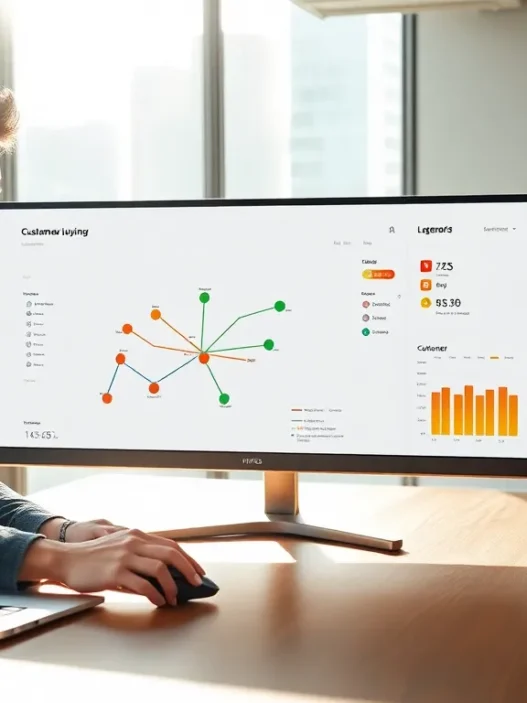
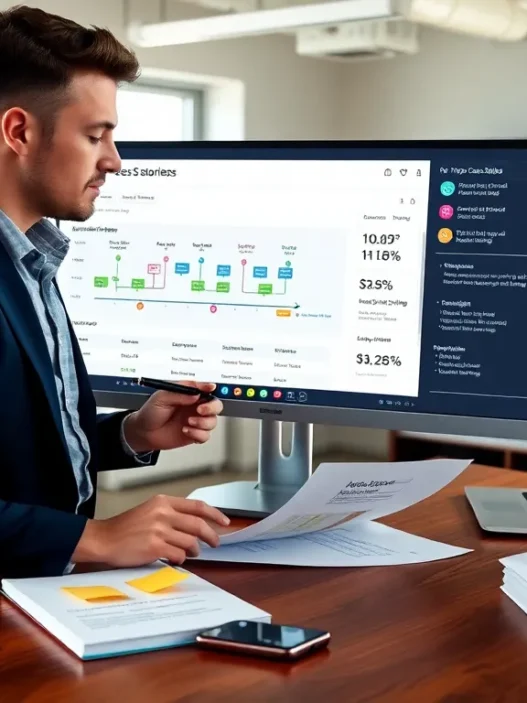
Hyros places a first-party script on your site and ties sessions to people using click IDs, emails, and phone numbers captured at checkout or in forms. It then joins those touchpoints with ad platform data and your CRM, building a “customer timeline” that shows the first ad click, every remarketing touch, and the final purchase or booked call. Because Hyros also records phone sales and email-driven revenue, it fills the gaps that platform pixels often miss.
In day-to-day reporting, I start with multi-touch views to see how prospecting, mid-funnel content, and remarketing assist one another. Then I switch to first-touch or last-touch when I need a cleaner read on top-of-funnel sourcing or bottom-funnel closers. Hyros lets me compare these views quickly, which helps me catch traps, like when a broad ad looks weak under last-click, but first-touch reveals it seeds most high-value buyers.
The optimization loop is straightforward. I use Hyros to pinpoint the creatives and audiences that drive the highest revenue per click across the full journey. Next, I send those conversion events server-side back into Meta and Google so their models learn from higher-quality, deduped signals. Finally, I rebalance budgets toward winners and trim the placements that attract empty clicks. Because the feedback loop improves the algorithm’s training data, performance usually stabilizes and then climbs.
ROI Evidence and Use Cases
I like to see proof in real scenarios, not just dashboards. Below are two common setups where Hyros tends to change the math, along with simple visuals that make the shift easy to spot.
Ecommerce/DTC Scenario
A seven-figure DTC brand on Meta and Google saw platform-reported ROAS of 1.4, which looked bleak. After Hyros stitched email revenue and repeat orders back to the original ads, blended ROAS rose to 2.1. That gap changed everything. We didn’t just keep prospecting live, we expanded it, but with creative and audiences that Hyros flagged as true sources of high-LTV buyers.
ROI Lift, DTC (illustrative) 🎯
Legend: 🟩 Attributed with Hyros | 🟥 Platform Pixel Only
Meta Prospecting: 🟥🟥🟥🟥 → 🟩🟩🟩🟩🟩
Remarketing: 🟥🟥🟥 → 🟩🟩🟩🟩
Google Shopping: 🟥🟥🟥🟥 → 🟩🟩🟩🟩🟩
Alt text suggestion: Bar-style emoji chart showing higher green bars with Hyros attribution for DTC channels, highlighting improved ROAS.
Lead Generation and High-Ticket Scenario
For a high-ticket service that sells by phone, Meta reported weak CPLs that didn’t translate into revenue. Hyros tied booked calls and closed deals back to specific ad sets and creatives. After feeding those events via Conversions API, lead quality rose, cost per sale dropped, and we cut wasted spend on broad forms that never converted.
Pipeline Shift, High-Ticket (illustrative) 📈
Legend: 🔵 Total Leads | 🟢 Sales-Qualified | 🟣 Closed-Won
Before Hyros: 🔵🔵🔵🔵 🔵 🟢 🟣
After Hyros: 🔵🔵🔵 🟢🟢🟢🟢 🟣🟣
Alt text suggestion: Emoji chart contrasting pre- and post-Hyros funnels, showing fewer total leads but many more qualified and closed deals.
Setup, Integrations, Data Quality, and Ease of Use
Getting reliable attribution starts with clean setup. I place the Hyros script site-wide, connect storefronts like Shopify or WooCommerce, and link payment processors such as Stripe. For funnels, I attach landing page tools like ClickFunnels and pass form fields and UTM parameters so Hyros can resolve identities. I also connect Meta via Conversions API and Google Ads for server-side events, which boosts signal quality and reduces lost conversions from browser limitations.
Data quality hinges on naming discipline. I define UTM conventions for campaign, ad set, and creative, and I map them inside Hyros so the reports read like a story instead of a puzzle. I also test deduplication by firing a few controlled conversions to confirm there’s no double counting across pixel and server events. Once that’s done, the dashboard flows. The UI focuses on revenue, LTV, and path analysis, which helps me move fast without spreadsheet gymnastics.
As for usability, the learning curve is modest if you’ve managed paid media before. The timeline views make it obvious which touchpoints assist the sale, and the model switcher lets me sanity-check decisions. When teams follow a simple workflow, set proper UTMs, review winners by revenue, send high-fidelity events back to the ad platforms, the performance gains are consistent.
Pricing and Value
Hyros sells on a quote-based model. As of October 2025, it doesn’t post public prices, and new customers request a live quote during the sales process. That means I can’t display real-time numbers here, but I can share how I think about value. If your monthly ad spend is meaningful and you rely on Meta, Google, TikTok, email, and phone sales, even a small lift in tracked revenue often pays for the software. I look for two signals during trial or onboarding: higher matched conversions inside Meta and Google, and clearer winners by creative and audience. When both improve, budget shifts get faster and wastage shrinks, which makes the fee feel reasonable.
For teams with lighter spend or simple funnels, this level of attribution may be more than you need right now. But for brands that report to investors, or agencies that manage ROAS targets, the clarity is often worth it. You can request current pricing and a tailored plan directly on the Hyros site.
Pros and Cons
After running Hyros across ecommerce and lead-gen accounts, the strengths stand out. I get reliable attribution that covers email and phone revenue, better conversions fed back to ad platforms, and reports that support confident scaling without guesswork. The identity graph is strong, and server-side events help preserve measurement even though browser limits.
There are trade-offs. Quote-based pricing means you’ll need a call to get numbers. Teams must stick to UTM conventions and clean CRM data or the value drops. And while the interface is straightforward, some power users may still export to Looker or a warehouse for granular modeling. Even with those caveats, the ROI case is compelling for brands that push hard on paid channels.
Comparison with Alternatives
I often get asked how Hyros stacks up to Triple Whale, Northbeam, and similar trackers. The short answer: Hyros shines when you care about identity resolution across paid, email, and phone, plus server-side feedback to ad platforms. Triple Whale and Northbeam bring strong dashboards and media mix insights, and for some teams that’s a better fit. Here’s how I frame it when choosing a tool.
Versus Triple Whale, Northbeam, and Similar Trackers
| Tool | Best For | Cross-Channel Identity | Offline/Phone Sales | Server-Side Signals Back to Ads |
|---|---|---|---|---|
| Hyros | Revenue-focused brands needing person-level timelines | Strong person-level stitching | Yes, with call tracking and CRM ties | Yes, robust CAPI and Google events |
| Triple Whale | Shopify-first teams favoring in-platform ecommerce views | Solid within Shopify ecosystem | Limited compared to Hyros | Yes, improving rapidly |
| Northbeam | Media mix learners wanting model comparisons | Good, model-focused views | Limited phone support | Yes, with clean pipelines |
If you want more background on model choices, I break down first-touch, last-touch, and data-driven models in my marketing attribution guide here: https://example.com/blog/marketing-attribution-models. For platform-side documentation, Meta’s Conversions API overview is a helpful reference: https://developers.facebook.com/docs/marketing-api/conversions-api.
Who Is It For?
I recommend Hyros to brands spending real dollars on paid media that need clarity across channels and longer sales cycles. Ecommerce and DTC shops that rely on email and repeat orders benefit because Hyros ties those post-purchase events back to the first ad. High-ticket and appointment-led businesses gain even more, since the platform maps calls and CRM stages to the ad and creative that started the relationship.
Agencies can also use it to clean up reporting and protect budgets during scaling. Meanwhile, smaller teams with simple funnels might start with platform pixels and native reporting before moving up. And if your organization values a single source of truth for revenue across ads, email, and phone, Hyros is a strong candidate.
Final Verdict
Hyros improves ad ROI by giving me accurate, person-level attribution across the full journey, then sending those higher-fidelity conversions back to Meta and Google so their systems learn from the right signals. Because the data aligns creatives, audiences, and revenue, I can shift budgets faster and cut waste without second-guessing. In short, it helps me spend with confidence.
If you’re ready to see this in your own numbers, try Hyros here: https://hyros.com. I recommend asking for a live quote and a quick signal-quality check during onboarding. When you see more matched conversions in your ad accounts and clearer winners by creative, you’ll know you’re on the right track.
Meta description: Hyros Review (2025), how Hyros improves ad ROI with accurate attribution, server-side events, and person-level timelines for smarter budget decisions.
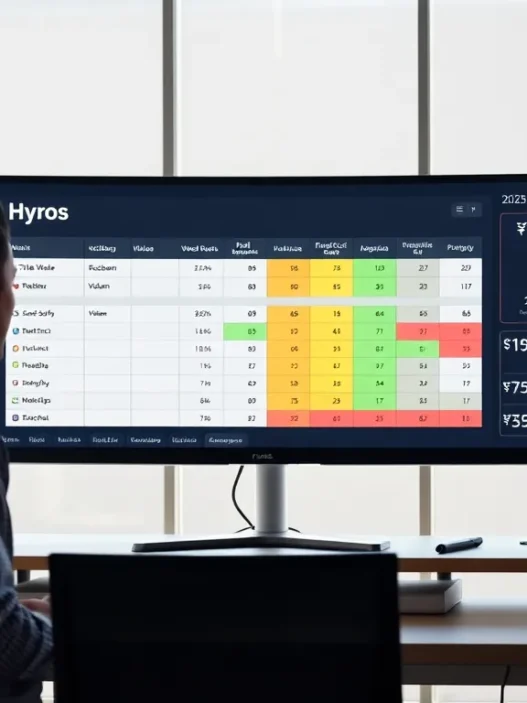
Alt text suggestion (hero image): Hyros dashboard screenshot showing ROAS lift and person-level timelines labeled “how Hyros improves ad ROI.”
Frequently Asked Questions
What is Hyros, and how does it improve ad ROI?
Hyros is an attribution platform built for accurate, privacy-safe, person-level tracking. It stitches clicks, emails, phone calls, and checkouts into a single customer timeline, then sends deduped, server-side conversions to Meta and Google. That clarity and feedback loop is how Hyros improves ad ROI by cutting waste and scaling winners.
How does Hyros attribution compare to platform pixels for ROAS?
Hyros goes beyond last-click pixels by using a first-party script and identity resolution (click IDs, emails, phone numbers) to stitch journeys across devices and channels. It captures email and phone revenue and de-duplicates conversions before sending them server-side to Meta and Google, improving signal quality, algorithm training, and ultimately ad ROI.
What’s the best way to use Hyros daily to optimize and scale?
Start in multi-touch to see assist value, then toggle first- or last-touch for sourcing or closing clarity. Identify creatives and audiences with the highest revenue per click, feed those conversions back via Conversions API and Google, and rebalance budgets. This closed-loop training data is how Hyros improves ad ROI consistently.
Who is Hyros best for, and how does it compare with Triple Whale or Northbeam?
Hyros fits revenue-focused brands needing person-level timelines that tie paid, email, and phone sales together, plus robust server-side signals back to ad platforms. Triple Whale suits Shopify-first teams who want native ecommerce views, while Northbeam excels at model comparisons and media mix learning. Choose based on identity needs versus dashboard and MMM depth.
Can I replace platform pixels with Hyros, and is it GDPR/CCPA compliant?
Treat Hyros as a complement, not a replacement, for platform pixels. Its first-party and server-side tracking improves coverage and signal quality but still requires consent and proper disclosures. Hyros can support GDPR/CCPA–aligned implementations, yet compliance depends on your settings, consent management, and contracts. Consult legal counsel to align data practices with regulations.
When should I expect ROI lift after implementing Hyros, and what slows results?
Many accounts see lift within 2–4 weeks as Meta and Google retrain on higher-quality, deduped events, though timelines vary by spend and volume. Results slow when UTMs are inconsistent, Conversions API/Google offline events aren’t connected, CRM fields aren’t mapped, or duplicate browser/server events inflate counts. Validate setup with controlled test conversions.