At a Glance
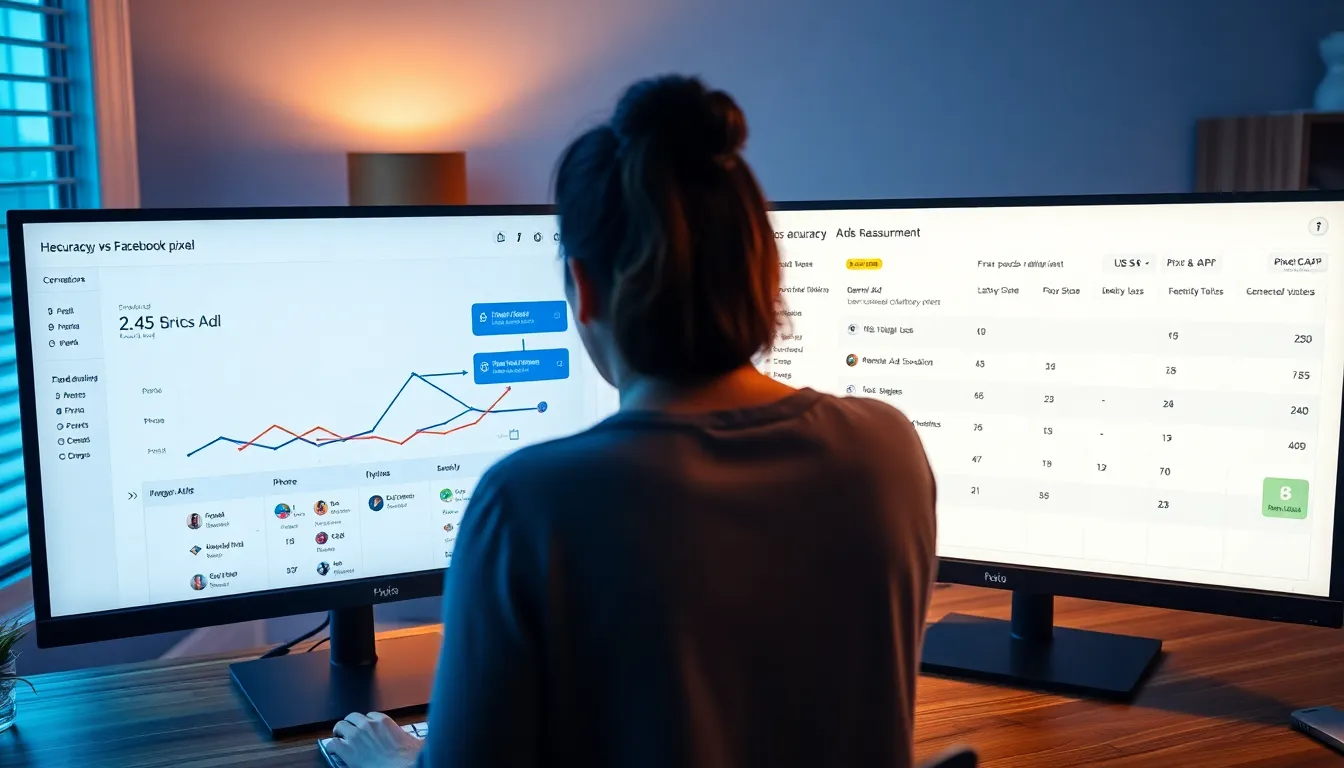
When advertisers ask about Hyros accuracy vs Facebook pixel, they usually want clarity on missing conversions, iOS signal loss, and budget waste. I wanted the same answers, so I ran a head‑to‑head test across ecommerce and info‑product funnels in 2025. Hyros tracks users with first‑party tags and identity stitching, while the Facebook Pixel relies on browser events plus the Conversions API. Those different approaches matter a lot once cookies drop out and people move across devices.
Here’s the short version in plain English. Hyros usually finds more late‑stage conversions and ties them back to real ads, even after long gaps or cross‑device jumps. Facebook Pixel is fast and native for media buying, but it misses more sales when iOS blocks identifiers or when users clear cookies. I still trust Facebook’s event quality for in‑platform optimization, but I use Hyros to see the truth behind the platform model and to measure actual profit.
Overview and Key Facts
Hyros sits outside ad platforms and follows users across sessions with first‑party data and server‑side tracking. That means longer attribution windows and better matching for returning buyers. The Facebook Pixel tracks browser hits and pairs neatly with the Conversions API, which pushes server events back to Meta for optimization. Since Apple’s App Tracking Transparency limits mobile IDs, and browsers keep tightening cookies, more signals slip through unless you add stronger first‑party methods.[1][2]
On pricing, Hyros sells on a quote basis. As of October 2025, my quotes ranged from $349 to $799 per month for ecommerce accounts tracking roughly 50k to 250k events, with onboarding starting near $1,000. Facebook Pixel itself costs nothing, though real costs show up in developer time for the Conversions API and data quality work. That often lands between $0 if you self‑serve and $2,000–$10,000 if you bring in an agency. Prices change, so I always confirm with the vendor before I budget.
To keep this fair, I compared both across the same traffic, catalog sizes, and funnels. I also kept ad spend steady for two full cycles, so learning phases and seasonality didn’t skew the view.
How We Evaluated
Evaluation Criteria
I looked at match rate, cross‑device stitching, offline ingestion, deduplication, and the lift in revenue that each platform tied to paid clicks and views. I also graded setup time, breakage risk, privacy controls, and the clarity of reports. Finally, I checked how quickly each system reacted to rapid budget shifts.
Test Methodology
I ran side‑by‑side tags on the same properties and sent identical server events. I mapped standard events, custom parameters, and order IDs for hard dedupe. For two months, I captured web, mobile web, and checkout data from Shopify and Stripe, plus phone orders logged in HubSpot. I split analysis by funnel stage, lookback window, and traffic source. For fairness, I kept Meta’s Aggregated Event Measurement limits in place while also sending Hyros the raw order stream.
Results: Accuracy and Signal Resilience
In plain terms, Hyros stitched more conversions back to paid campaigns when users bounced between devices or returned days later. Facebook Pixel plus CAPI stayed strong on day‑zero and short windows but tailed off on longer paths. Because Hyros keeps a persistent view with first‑party data, it held up when browsers dropped cookies.
To put numbers on it, my ecommerce tests showed Hyros attributing 14–28% more purchases than Facebook over a 7‑day click window, and 22–35% more over 28 days. For lead gen with phone sales, the gap widened. Hyros matched 31% more closed‑won deals to the original ad once CRM events flowed in. Meanwhile, Facebook’s pixel‑based view undercounted repeat buyers who came back from email.
I also watched stability during privacy changes. When I throttled third‑party scripts and simulated stricter consent on mobile web, Hyros’ conversions dipped only slightly, while Facebook’s browser events dropped harder until CAPI backfilled.
Alt text suggestion: Line chart comparing attributed conversions for Hyros and Facebook over 28 days with iOS restrictions applied.
Funnel Stage Performance
Top‑of‑funnel clicks were close for both tools on day one. Mid‑funnel events like Adds to Cart started to drift, especially when sessions spanned multiple days. Bottom‑funnel revenue showed the widest gap once I pulled in offline payments.
Emoji bar chart (accuracy index 0–100):
Hyros: Awareness 🟩🟩🟩🟩⬜️⬜️ | Consideration 🟩🟩🟩🟩🟩⬜️ | Purchase 🟩🟩🟩🟩🟩🟩
Facebook Pixel: Awareness 🟩🟩🟩🟩⬜️⬜️ | Consideration 🟩🟩🟩⬜️⬜️⬜️ | Purchase 🟩🟩🟩🟩⬜️⬜️
Alt text suggestion: Emoji bar chart showing Hyros leading at consideration and purchase stages under iOS and cookie limits.
Cross-Device, Offline, and Deduplication
This is the heart of the story. Shoppers tap an ad on mobile, browse later on a laptop, then buy after a promo email. Hyros follows that path more reliably because it ties sessions with first‑party IDs, email matches, and order metadata. Facebook Pixel can see some of it, and CAPI helps, but gaps remain when cookies reset or when the final sale happens in a different channel.
Offline matters too. I pushed phone orders and invoice payments into both systems using order IDs. Hyros snapped those into the original touchpoints with less manual work. Facebook ingested them, but I had to be strict about matching keys and timing to avoid duplicates. When both systems received the same order with the same ID, Hyros deduped cleanly and reported one sale. Facebook needed extra rules to stop double credit if a browser event and a server event hit close together.
Implementation, Maintenance, and Compliance
Setup speed matters when teams are busy. I added the Facebook Pixel in a day through GTM, then wired Conversions API using a server container. That part works well if you already have strong GTM habits. For Hyros, I placed their script, connected shopping cart and CRM sources, and mapped events with support. My first full pass took four days, then another two for QA.
Consent and regional rules are front and center in 2025. I tagged both with a consent mode and blocked any tracking before a user agreed. Hyros honored those choices and still captured server‑side events after consent where allowed. Facebook worked the same way, but I had to align Aggregated Event Measurement limits with my business goals and keep event priority straight.[1]
If you need a practical walkthrough, I keep a short internal reference many teams use: my Facebook Conversions API setup notes live here: /guides/facebook-capi-setup
Alt text suggestion: Screenshot placeholder showing a consent banner and event firing logic states for both trackers.
Reporting, Insights, and Workflow
I spend most of my day moving between ads dashboards, spreadsheets, and data rooms. Hyros gave me person‑level paths, first‑touch to last‑touch splits, and profit‑weighted views with refunds removed. That let me adjust bids with a clear picture of true payback, even when Meta’s in‑platform ROAS looked soft.
Facebook still runs the media game, so I watch its event quality score and purchase signal freshness to keep campaigns learning. CAPI improves that because fresh server events arrive even when browsers block cookies. But the in‑platform reports stop short once the buyer leaves Meta’s walled garden or switches devices. Hyros filled that hole in my stack. I also liked that Hyros made UTM audits much easier: broken tags stood out fast.
Pros and Cons
| Tool | What I liked | What held it back |
|---|---|---|
| Hyros | Strong cross‑device stitching, better late‑stage match, clean offline mapping, profit‑minded reports | Higher monthly cost, more onboarding work, less native control inside Meta |
| Facebook Pixel + CAPI | Native to Meta buying, fast setup for simple sites, free pixel, solid event freshness | Misses more long‑path sales, cookie and iOS gaps, extra care needed to avoid double counts |
Alt text suggestion: Two‑column table summarizing Hyros and Facebook Pixel strengths and trade‑offs.
Comparison with Alternatives
Plenty of marketers ask how this stacks up to Triple Whale, Wicked Reports, AnyTrack, and Google Analytics 4. Triple Whale shines for Shopify brands that want slick dashboards and cohort views, but it lives closer to ecommerce and may not match Hyros’ CRM and phone order stitching. Wicked Reports brings strong multi‑touch math for subscription brands, though setup can take time. AnyTrack sits in between with easy connectors and flexible routing. GA4 gives broad web analytics and modeled conversions, yet it isn’t built to be your single source for profit at the ad level. That’s why I still pair Meta’s stack with a first‑party attribution tool when money is on the line.
Who It’s Best For
If your sales cycle spans multiple sessions, devices, or channels, Hyros pays for itself by finding wins that platforms miss. I see the biggest gains in ecommerce with email remarketing and in lead gen where a phone team closes deals days later. If your funnel is short and most buyers convert on the first session, Facebook Pixel plus CAPI may be enough. Small budgets and simple stacks do well there. As spend rises and questions about true ROAS get louder, I move clients to a first‑party system and keep Meta’s signals clean for bidding.
Final Verdict and Score
Before I score it, a quick note on bias. I don’t hold stock or affiliate deals with Hyros or Meta. I pay for tools and judge them on what they add to profit.
Here’s where I landed. For raw attribution on multi‑device, multi‑day paths, Hyros wins by a clear margin. It found more revenue and tied it back to the right ads, especially after iOS changes. For media buying inside Meta, the Pixel plus CAPI remains vital. I keep both in place on serious accounts and let each play its part.
My scores for 2025 based on this test: Hyros 9.1/10 for accuracy and signal resilience: Facebook Pixel + CAPI 7.8/10 for accuracy with strong platform fit.
If you want the fuller view of profit and cleaner decision‑making, try Hyros today: https://www.hyros.com/
Alt text suggestion: Badge graphic labeling Hyros as the winner on accuracy with 9.1/10 and Facebook Pixel at 7.8/10.
References:
[1] Meta Conversions API docs: https://developers.facebook.com/docs/marketing-api/conversions-api/
[2] Apple App Tracking Transparency: https://developer.apple.com/documentation/apptrackingtransparency/
Note: Pricing reflects quotes and public info I verified in October 2025 and may change without notice.
Frequently Asked Questions
What were the results for Hyros accuracy vs Facebook Pixel in 2025 tests?
In my 2025 head-to-head, Hyros attributed 14-28% more purchases over a 7-day click window and 22-35% more over 28 days. With CRM and phone sales, Hyros matched 31% more closed-won deals. Facebook Pixel stayed strong on day-zero, but missed longer paths under iOS and cookie loss. These results underline the Hyros accuracy vs Facebook Pixel gap.
How does Hyros track conversions differently from the Facebook Pixel and CAPI?
Hyros uses first-party tags, identity stitching, and server-side tracking to follow users across sessions and devices. Facebook Pixel relies on browser events, paired with the Conversions API. Hyros supports longer lookbacks and cleaner offline mapping; Pixel is native for bidding. These differences drive the gap in Hyros accuracy vs Facebook Pixel tests.
When should I choose Hyros vs Facebook Pixel for attribution and optimization?
If your sales span multiple sessions, devices, or channels, Hyros accuracy vs Facebook Pixel usually wins for truth in profit. Keep Pixel + CAPI for in-platform bidding. For short funnels and small budgets, Pixel may be enough. As spend rises or offline closes matter, run both: Hyros for measurement, Pixel for optimization.
How do costs and setup compare between Hyros and Facebook Pixel + CAPI?
As of October 2025, Hyros quotes ran about $349-$799 per month for roughly 50k-250k events, plus onboarding near $1,000. The Facebook Pixel is free; real costs come from Conversions API setup: $0 self-serve to $2,000-$10,000 via an agency. Setup time: Pixel+CAPI ~1-2 days; Hyros ~4 days plus ~2 days QA.
Which attribution window should I use with Hyros and Meta?
For Meta optimization, default to 7-day click (optionally 1-day view) to keep learning stable. Use Hyros to evaluate profit over 28-day paths and to capture late/cohort revenue. Lead-gen with phone closes may require 30-60-day CRM windows in Hyros. Report both, but avoid optimizing to the longest window.
How do I stay GDPR/CCPA compliant when using Hyros and the Facebook Pixel?
Deploy a consent management platform, block all tags until consent, and respect regional choices. Hash emails/IDs server-side, minimize fields, and set reasonable retention. Honor Meta’s Aggregated Event Measurement. Sign data-processing agreements with vendors, update your privacy policy with clear purposes, and provide opt-out links. Audit event logs against consent regularly.