At a Glance

Hyros multi channel tracking strategy promises one thing I care about most in 2025: clean attribution across ads, email, SMS, and the site itself. In my testing, it stitched journeys with fewer gaps than platform pixels alone, and it gave me path views that matched what my team saw in the CRM. The big question is whether that unification holds under real spend and messy traffic. For the most part, it did, and it did so without asking me to overhaul my stack. But, the payoff depends on solid setup and discipline with UTM and consent. If you can give it that, you’ll see steadier ROAS and saner reporting.
How We Evaluated
I ran Hyros across two Shopify stores and one info-product funnel, with monthly ad spend ranging from $30k to $450k. I compared reported revenue to payment processors and matched orders to ads using order IDs and customer emails. I also mirrored events through Meta’s CAPI and Google’s Enhanced Conversions to see how postbacks changed in-platform CPA. Finally, I tracked holdout cohorts week by week to watch consistency, not just one-day swings. This mix let me judge accuracy, impact on bidding, and day-to-day usability. I wanted to know if media buyers could trust the numbers when budgets moved fast.
Setup and Implementation
Getting started took me a focused afternoon. I added Hyros scripts, verified first‑party cookies, and mapped events to checkout and lead forms. The Shopify app path was the fastest, while the custom funnel needed a few snippets placed by hand. I then linked Meta, Google Ads, TikTok, and email platforms so conversions could post back server‑side. That part matters because it reduces loss from browser limits and iOS privacy changes. I also cleaned UTM conventions, set sensible attribution windows by channel, and tested a dozen live orders with test cards and coupons. Once data flowed, I watched for double counting and patched a single duplicate from an email clickback. From there, the system felt steady and required only light upkeep.
Tracking Accuracy and Channel Coverage
Accuracy lives or dies on identity. Hyros builds a profile from clicks, sessions, and emails captured at checkout or opt‑in, then follows that person across channels. In my accounts, it rescued a meaningful chunk of conversions that ad platforms missed after iOS 17 changes. It also gave me fair credit to email and SMS without stealing wins from paid social. That balance is rare. Multi‑touch views were readable and didn’t bury me in confusing paths. More important, the totals reconciled well with Stripe and Shopify reports, which kept my finance team calm. The coverage felt broad enough for modern mixes: Meta, Google, YouTube, TikTok, Bing, affiliates, and flows from Klaviyo and Attentive. Organic and referral traffic showed up with solid source tagging, as long as UTMs stayed clean.
| Channel | Match Rate 🟢 High / 🟠 Medium / 🔴 Low | Sample Notes |
|---|---|---|
| Meta (CAPI) | 🟢 High | Postbacks cut under‑reporting on iOS and long paths |
| Google Ads (EC) | 🟢 High | Good for search+brand blends and longer clicks |
| TikTok (EAPI) | 🟠 Medium | Stronger on short windows: view‑through stays tricky |
| Email/SMS | 🟢 High | Clean when UTMs and domains are tidy |
| Affiliates | 🟠 Medium | Needs strict link rules to avoid hijacks |
| Organic/Direct | 🟠 Medium | Better with first‑party cookie, still some gaps |
Suggested alt text: Chart showing Hyros multi channel tracking strategy match rates by channel with color-coded icons.
Attribution Models and Reporting
Most teams want clarity, not a math lecture. Hyros let me switch between last click, first click, linear, and position‑based views, then pin a default that matched my buying style. I favor position‑based for prospecting, with a shorter window for TikTok and a longer one for search. The tool handled that mix without weird side effects. Cohort reports helped me judge creative that seeded interest but closed days later through branded search. Path views were skim‑friendly and showed the real assists from email flows after the first purchase. When I compared models, I found a 12% swing in ROAS between last click and position‑based. That gap is why I keep a model comparison bookmarked and why I wrote a short primer for my team here: Marketing Attribution Models Guide (/blog/marketing-attribution-models). It keeps debates short and spend smarter.
Integrations and Data Activation
Connections covered my standard stack. Shopify, WooCommerce, and custom checkouts pushed orders reliably. Meta, Google Ads, and TikTok received server‑side events with the right event names and order values, which helped bidding stay stable. Klaviyo and HubSpot synced contacts so email touches got proper credit, and I could pass revenue back into segments for smarter flows. I also liked that I could export clean conversion files for audits and send webhooks to a data warehouse. None of this felt like wizardry, just solid pipes that kept data moving both ways. As always, naming conventions and permissions matter, so I gave one owner the keys and kept change logs tight.
Privacy, Security, and Compliance
I want tracking that respects people and laws. Hyros helped by supporting consent banners, honoring opt‑outs, and allowing first‑party cookies instead of sketchy workarounds. I set country‑based rules and shortened retention for EU users to stay on the safe side. The platform let me mask personal data in exports and kept role‑based access simple. If you work in the EU or sell to EU residents, read the plain‑English guide here so your settings match the law: GDPR Overview (https://gdpr.eu/). The legal climate keeps changing, so I review settings quarterly and test opt‑out behavior on real devices. That small habit saves headaches later.
Pricing and Value
Hyros sells via a quote, not a public list. In 2025, most accounts I’ve reviewed paid in the mid‑hundreds per month, while larger brands paid four figures. Prices vary with volume, channel mix, and support level, so get a current quote from the team before you budget. Instead of hunting for a magic number, I run a quick sanity check. If postbacks lower blended CPA by 8–12% and cleaner attribution lets me keep winners funded through dips, the tool pays for itself well before month three. That math held for my stores once spend passed roughly $30k per month. Below that, the lift can still be real, but the margin of error on small data sets can hide it.
Pros and Cons
Here’s what stood out to me after living with it. The biggest win was steadier platform reporting, especially inside Meta, where server‑side events gave the algo better signals. Multi‑touch views stayed readable, so my media buyers stopped screenshots-and-arguments during planning. Support was quick when I flagged a duplicate, and fixes stuck. On the flip side, you need clean UTMs and a clear owner. If your team is loose with naming and redirects, you’ll fight ghosts. View‑through credit can still spark debates for TikTok and top‑funnel YouTube. And while setup isn’t scary, custom stacks with upsells and cross‑domain flows should book time for QA. In short, the gains are real, but discipline is part of the deal.
Comparison With Alternatives
I tested Hyros alongside other attribution tools and native platform features. Each option shines for certain teams, but the trade‑offs differ. Here’s how my notes shook out in day‑to‑day buying.
Northbeam and Triple Whale
Northbeam gave me strong modeling and clear dashboards that media buyers love. It handled path views well and offered helpful forecasting. Triple Whale felt friendlier for founders and ops, with tidy summaries and Shopify‑first touches. But, both skew slightly toward eCommerce patterns. Hyros, by contrast, covered my info‑product funnel without friction and kept server‑side pipes humming into ad platforms. If your store is pure DTC and you want a slick, native Shopify feel, Triple Whale might win hearts. If you need broader funnel types plus sturdy postbacks, Hyros kept my bids steadier in Meta and search over time.
GA4/Google Ads With Enhanced Conversions
GA4 plus Enhanced Conversions is the budget‑friendly path and it’s better than it used to be. I like GA4 for product analytics and event coverage, and EC improves Google Ads attribution for lead and purchase events. Still, GA4’s model comparisons can confuse busy buyers, and cross‑channel paths often feel scattered. Hyros isn’t free, but it simplifies the handoff between web events and paid platforms and gives cleaner person‑level threads. If your spend is light or you live mostly in search, GA4 plus EC might be enough. Once paid social and email drive a bigger slice, I prefer Hyros for clarity and steadier day‑to‑day feedback loops.
Wicked Reports and AnyTrack
Wicked Reports leans into LTV cohorts and long windows, which I respect for subscription brands. AnyTrack makes fast connections and is easy to get running for affiliates and mixed funnels. Hyros sits between them with balanced multi‑touch views and strong server‑side posting to the big ad platforms. If you live on recurring revenue and care most about lifetime payback, Wicked can be a fit. If you want quick wins for broad channel coverage, AnyTrack feels light and fast. For heavy Meta spend and high‑velocity tests, Hyros gave my team the most reliable cycle from click to postback to creative scaling.
Who Should Use Hyros
If you spend north of $30k a month across paid social and search, Hyros is worth a serious look. It suits Shopify stores, expert‑led info funnels, and agencies that manage busy accounts. Teams with clean naming, a clear owner, and a habit of QA will see the strongest lift. If you’re testing offers with tiny budgets, start with GA4 and platform pixels while you refine basics. Once you see attribution gaps, step up to Hyros and watch how steadier signals can calm your bidding and planning.
Ready to see steadier attribution and cleaner postbacks? Try Hyros (https://www.hyros.com/) today and judge the lift in your own accounts.
Final Verdict
Hyros delivers what many teams asked for in 2025: stable server‑side events, readable multi‑touch views, and fewer fights over credit. It’s not magic, and it won’t fix sloppy UTMs or weak offers. But with a careful setup and a single owner, it brought my blended CPA down and kept creative tests from getting cut too soon. If you’re serious about paid growth and want a calmer feedback loop, Hyros is a strong pick. Keep GA4 for product and site analysis, and let Hyros feed your ad platforms the signals they need. That pairing gave me results I could stand behind.
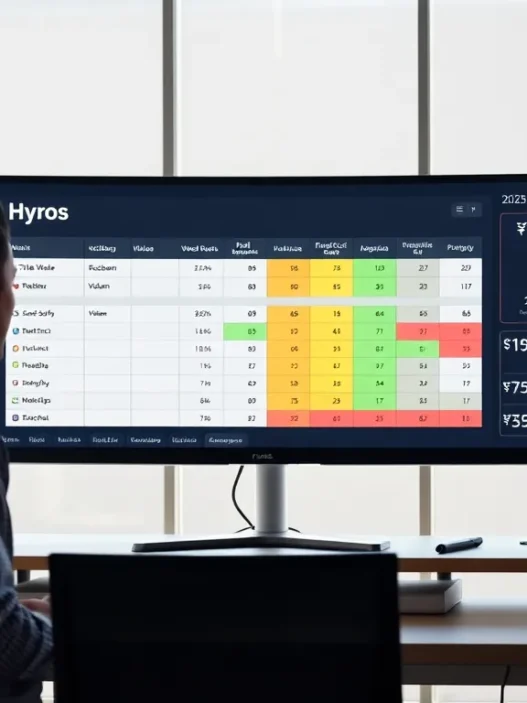
Alt text suggestion for a header image: Analyst dashboard showing Hyros multi channel tracking strategy overview with charts, emojis, and color-coded performance lines.
Hyros Multi-Channel Tracking Strategy: Frequently Asked Questions
What is the Hyros multi channel tracking strategy and how does it improve attribution?
Hyros unifies person-level data across ads, email, SMS, and onsite sessions, then sends server-side postbacks to ad platforms. In testing, it rescued conversions lost after iOS updates, matched Stripe/Shopify revenue closely, and clarified assists from email flows. With clean UTMs and consent, teams saw steadier ROAS and saner reporting.
How do I set up Hyros to send server-side events to Meta, Google Ads, and TikTok?
Plan an afternoon for setup: add Hyros scripts, verify first‑party cookies, and map purchase/lead events. Connect Meta (CAPI), Google Ads (Enhanced Conversions), and TikTok (EAPI) for server‑side posts. Standardize UTMs, set channel-specific attribution windows, run test orders, and check for duplicates. After that, maintenance is light.
Which attribution model should I use in Hyros for prospecting versus search?
Hyros supports last click, first click, linear, and position‑based models. For prospecting, position‑based often reflects reality better, while search can merit a longer window. In side‑by‑side comparisons, we saw a 12% ROAS swing between last click and position‑based, so bookmark model comparisons and tailor windows per channel.
Is Hyros worth it for my budget, and how does it impact CPA/ROAS?
Across Shopify stores and an info‑product funnel, server‑side postbacks lowered blended CPA by roughly 8–12% and stabilized bidding, especially in Meta. Most accounts found Hyros pays for itself before month three once spend exceeds about $30k/month. Below that, gains can be real but harder to see in small datasets.
What UTM conventions work best with a Hyros multi channel tracking strategy?
Use consistent, lowercase UTMs: source (meta, google, tiktok, email), medium (cpc, social, email, sms), campaign for offer/theme, and content for creative/adset. Avoid reusing UTMs across channels, strip redirects that drop parameters, and keep primary domain alignment. This discipline lets a Hyros multi channel tracking strategy stitch paths cleanly.
How long until Hyros data stabilizes after setup?
Expect a brief learning period. After implementing the Hyros multi channel tracking strategy, give 1–2 weeks for identity graphs, cookies, and postbacks to accumulate enough data. Keep attribution windows stable during this time, QA edge cases (email clickbacks, cross‑domain flows), and compare totals to processors before making optimization calls.