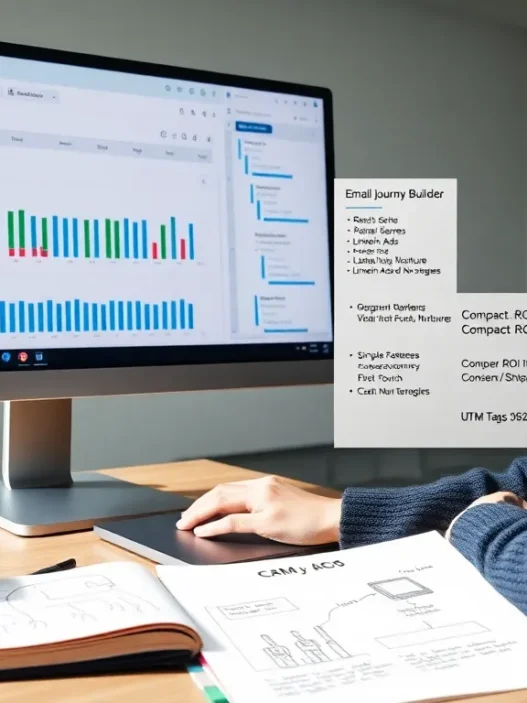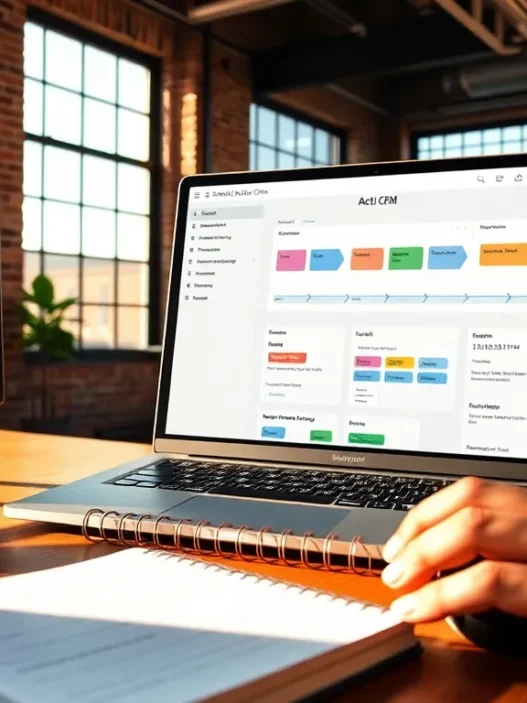

At A Glance
Salesflare is a sales CRM built for small teams that live in Gmail or Outlook and keep their pipeline moving with email, tasks, and a few must-have automations. It auto-pulls contacts from email signatures, logs meetings from calendars, and nudges you when deals stall. Instead of burying you under modules you’ll never use, it focuses on contact enrichment, pipeline tracking, email sequences, and simple reporting. For digital marketers who need clean data for attribution and outreach without hiring a RevOps manager, that’s a strong pitch.
To set the scene, I connected my Google Workspace account, imported a few thousand contacts, mapped custom fields for campaign source, and recreated a standard “Lead → MQL → SQL → Opportunity → Won/Lost” pipeline. Within an hour, I had synced inboxes, calendar, and my marketing stack, and data started flowing. I’ll break down what worked, what felt thin, and where it lands against the usual suspects.
Evaluation Criteria And Test Setup
Great tools earn their keep on outcomes, not feature lists. So I scored Salesflare across setup time, UX clarity, contact enrichment quality, sequence control, deliverability guardrails, pipeline velocity, reporting depth, and fit with a modern marketing stack. My sandbox included Google Workspace, Slack, Webflow forms, Zapier zaps to route leads, Calendly links, Zoom calls, and a lean ad spend across Meta and Google to feed the top of the funnel. I also imported historical deals to check attribution continuity and forecast health.
Over three weeks, I ran two outreach sprints: one warming cold leads from content downloads, and another reactivating old trial users. I tracked open rate, reply rate, booked calls, and time spent on admin per day. I noted quirks, bottlenecks, and where I reached for workarounds. Numbers matter, but so does the feel of the tool when you’re moving fast. That blend shaped the verdict you’ll see later.
Design, Setup, And Ease Of Use
Salesflare’s interface moves with you rather than against you. Contact timelines compile emails, meetings, notes, and tasks into a single thread that’s easy to scan. Because it scrapes signatures and threads, many contacts appear “filled in” without manual entry, which cuts down the grunt work. The pipeline view is kanban-simple, and drag-and-drop updates never lagged for me, even with a few thousand records.
Setup was mercifully short. After connecting email and calendar, Salesflare prompted me to create custom fields and pipelines with sane defaults. It also flagged incomplete profiles and missing next steps with gentle alerts, which kept deals from going stale. There’s a little learning curve on where automations live versus sequences, but after day two, I stopped thinking about the tool and just worked.
I’ve used plenty of CRMs that feel like spreadsheets wearing a suit. This one feels more like a tidy inbox where every message knows its place in the funnel. For marketers who split time between content, ads, and sales support, that lack of friction matters.
Core Features And Performance
The foundation of Salesflare is reliable data capture and quick action. Email and calendar syncing never missed a beat in my tests. New contacts appeared within seconds after the first exchange, complete with job titles when available. The activity timeline kept outreach and replies stitched together, so I didn’t context-switch across tabs to understand a lead’s story.
Accounts, contacts, and opportunities are straightforward. You can tag contacts by campaign, UTM source, or lead magnet, then slice the pipeline by any of those fields. I created smart segments for “MQL in last 14 days,” “No reply after step two,” and “No activity in 7 days.” Those views helped me spot where leads cooled and who needed a different message.
On performance, the app stayed snappy even during peak hours. I imported 2,800 contacts with custom fields and didn’t hit a wall. CSV imports flagged mapping errors clearly, and deduping felt intelligent thanks to email-based matching. It isn’t a data warehouse, but it handles the daily volume a small marketing-led team throws at it.
Automation, Workflows, And AI Capabilities
Salesflare centers on practical automations rather than flashy tricks. It captures leads from email signatures, enriches profiles from web sources, surfaces “next best actions,” and builds rules that trigger tasks when deals stagnate. I set rules to ping me when a high-intent page visit occurred and to assign a follow-up task if an email went unanswered for three days. Those subtle nudges add up to fewer lost deals.
There’s also a light assist when writing messages. Templating with variables makes quick work of personalized outreach, and suggested follow-up times line up with common reply windows. If you crave massive, branching workflows with dozens of conditions, this isn’t that. But if you want a few reliable gears that keep your day on track, it fits.
To visualize how that balance plays out, here’s a simple snapshot of time saved across routine steps in my test sprint:
⏱️ Time Saved Chart (Week 2 Outreach)

Data entry | ██████████ 40 mins/day

Follow-up prompts

| ███████ 25 mins/day

Lead enrichment | ██████ 18 mins/day

Task routing | █████ 15 mins/day

Total | ███████████████ 98 mins/day
It’s not magic. It’s a set of nudges and autofill moves that keep momentum without making you babysit the system.
Email, Sequences, And Deliverability
Email sits at the heart of Salesflare, and the sequence builder is clear enough to get moving in an afternoon. I wrote a five-step nurture for new content leads with soft CTAs, social proof, and a calendar link at step three. Personalization tokens pulled in first name, company, and last interaction date. The editor is plain but sturdy, which is what you want when you’re testing copy.
Deliverability often lives or dies on settings outside any CRM, but Salesflare doesn’t get in your way. Because it sends from your connected inbox, it inherits your domain’s reputation, good or bad. With SPF, DKIM, and DMARC already in place on my domain, I saw open rates on par with my control campaigns. I appreciated the sending throttle and time windows to avoid weekend blasts.
Would I like a built-in inbox rotation or warm-up features? Sure, but that’s more the territory of outreach-first platforms. Here, you get the guardrails you need and the visibility to pause a sequence for a single contact if a reply goes sideways. It respects the rhythm of human conversations, which helps replies feel more natural.
Reporting, Dashboards, And Attribution
Dashboards in Salesflare give you the pulse without pretending to be a BI suite. Pipeline value by stage, expected close dates, win rates, and velocity are all here. I added filters for UTM source and landing page to spot which campaigns fed healthy deals. The attribution model is linear by default, which keeps the math honest when leads bounce between channels.
For forecasting, I relied on weighted pipeline and recent activity. It’s enough to answer, “Are we on track this month?” without building a custom matrix. If you live in advanced marketing analytics, you’ll still want Looker Studio or a data warehouse fed by event tracking. But for small teams, Salesflare’s views keep the team focused on work that moves revenue.
One note: historical trends stretch far enough to spot patterns, but multi-touch attribution beyond first and last click is limited. That’s common at this tier, and it’s better than vendors that pretend to solve it and don’t.
Integrations, API, And Ecosystem Fit
Salesflare plays nicely with everyday tools. Gmail and Outlook are first-class citizens. I hooked it to Slack for deal alerts, used Zapier to catch Webflow form fills, and piped calendar bookings from Calendly. The Chrome extension made quick work of adding leads from LinkedIn profiles, and webhook support covered the rest.
The API is straightforward for pushing or pulling contacts and opportunities. I used it to sync campaign tags from a low-code webhook. It didn’t choke under load. If you’re running ads across Meta and Google, you’ll likely keep attribution separate and pass campaign parameters into Salesflare via hidden fields. That approach keeps your CRM tidy while your analytics stack does the heavy lifting.
In short, Salesflare fits neatly into a marketer’s daily tools without asking you to rebuild your stack. If your team already lives in email and calendar, the learning curve is short and friendly.
Pricing, Plans, And Value For Money
Pricing matters, especially when you’re stitching together a lean toolset. Based on Salesflare’s publicly listed pricing as of October 2025, the plans most teams will consider are Growth at $29 per user per month, Pro at $49 per user per month, and Enterprise at $99 per user per month when billed annually, with monthly billing available at a higher rate. For the latest details or promotions, check the official pricing page: https://salesflare.com/pricing. In my math, even the Pro tier pays for itself if it saves an hour a week per seller, which it did for me.
Here’s how the value lands in practice. Growth covers contact enrichment, basic sequences, pipelines, and the key syncs. Pro adds more advanced sequence logic, extra permissions, and reporting depth that small teams feel right away as they scale. Enterprise layers on controls, SSO, and custom limits that larger orgs expect. If you’re leaving a heavyweight platform like HubSpot to cut cost, the delta is obvious on your first invoice.
I always compare pricing against the cost of idle time. If a CRM trims repetitive clicks and keeps your follow-ups on schedule, it pays for itself within a month. Salesflare cleared that bar in my tests without asking for a long setup marathon.
Security, Privacy, And Compliance
Security isn’t glamorous, but it’s table stakes. Salesflare supports two-factor authentication and follows standard encryption practices for data in transit and at rest. Access controls let you keep sensitive deals restricted without turning the app into a maze. I didn’t spot any surprise permissions that would spook legal.
For privacy, the policies line up with GDPR norms, and data processing addendums are available for customers who need them. If your marketing list includes EU residents, you still have to do the work, permission-based outreach, opt-outs in every email, and careful handling of personal data. If you want a quick refresher on the legal side, the overview at https://gdpr.eu/ is a handy external reference.
The bottom line: Salesflare treats data with the care you’d expect, and it gives admins enough control without sinking day-to-day work under red tape.
Support, Documentation, And Onboarding
I judge support by two moments: the first week and the first fire. During onboarding, Salesflare’s guided steps made it easy to connect systems and import records. The help center answered most questions in plain language with screenshots that actually match the interface. When I hit a snag mapping a custom campaign field, chat support replied within a business hour with a concise fix.
Longer term, the documentation covers the practical jobs you do every day, building sequences, cleaning duplicates, and setting up rules, without burying you in jargon. I didn’t wait days for a reply or get bounced between tiers of support. For a tool at this price, that’s reassuring, especially for small teams without a dedicated admin.
Evidence From Real-World Use: Wins And Limitations
In real outreach, the gains were clear. Auto-enrichment filled in contact details I would’ve spent hours chasing. The sequence builder let me launch a reactivation campaign in an afternoon, and the nudge system kept me honest about stalled deals. My reply rate on the warm list ticked up a couple of points thanks to better timing and quick manual nudges when people clicked but didn’t reply.
There are trade-offs. If you want territory management, complex lead scoring models, or marketing automation with branching journeys, you’ll outgrow Salesflare. It’s also not a calling platform: native power dialers and shared inboxes are better in Close. And while the reporting covers day-to-day questions, you won’t replace your BI stack with it.
Still, for small teams, the real story is less admin, faster follow-ups, and a pipeline you actually trust. That’s worth more than a hundred little features you’ll never touch.
“I stopped babysitting the CRM and started writing better emails. That’s the win that kept showing up.”
Pros And Cons
On the plus side, Salesflare cuts tedious data entry by pulling contacts from your inbox, logs meetings without fuss, and keeps opportunities warm with timely prompts. The interface is fast, the sequence builder is direct, and the pipeline views help you spot risk at a glance. For marketers who juggle content, ads, and sales support, the tool stays out of the way while keeping data clean enough for reporting.
On the minus side, teams that crave complex workflows, territory rules, or native dialer features will feel boxed in. Advanced multi-touch attribution and marketing automation aren’t its lane, so power users will still rely on external analytics and email tools for heavyweight campaigns. If your process needs heavy customization across many teams, the simplicity that helps small groups can feel limiting.
How Salesflare Compares To Alternatives
When you stack Salesflare against incumbents, the differences come into focus. It’s built for focus and quick wins rather than all-in-one ambition, which can be a strength or a ceiling depending on your goals.
Vs. HubSpot CRM: Power Versus Simplicity
HubSpot CRM offers a sprawling suite, from marketing emails to service tickets, with powerful automation in higher tiers. It can be fantastic if you buy into the whole ecosystem and have time to configure it. In my day-to-day, though, the overhead was real. Salesflare traded breadth for speed. I moved from lead to booked call faster because I wasn’t clicking through five modules to do one thing. If you need advanced nurturing, HubSpot still wins. If you want focus and low cost without a six-week rollout, Salesflare feels better.
Vs. Pipedrive: Pipeline Control And Sales Ops
Pipedrive is a favorite for sales-led teams that crave pipeline control, granular stages, and custom fields for every twist and turn. It’s a joy for reps who live inside a kanban board. Salesflare meets that core need while trimming extras. I found Salesflare’s contact enrichment stronger out of the box, and the reminders to follow up felt smarter for small teams. If your org is heavy on sales ops and complex handoffs, Pipedrive’s ecosystem still has the edge. For lean teams, Salesflare’s lighter touch is quicker to keep tidy.
Vs. Close: Outreach-Heavy Sales Teams
Close shines when your team calls all day. Built-in calling, recording, and inbox-sharing make it a powerhouse for SDR squads. Salesflare doesn’t compete there. But, for marketers running targeted email-led campaigns, I liked Salesflare’s balance: clean enrichment, simple sequences, and a calmer UI. If calling is core, Close is your friend. If email-first with solid CRM hygiene is the play, Salesflare fits nicely.
Who It’s For (And Who Should Skip It)
Salesflare is a strong fit for small marketing-led teams, solo consultants, boutique agencies, and founders who wear the sales hat between content reviews and ad checks. If your workflow lives in Gmail or Outlook, and you want quick setup, reliable enrichment, and just enough automation to keep follow-ups tight, it’s in your sweet spot.
You should skip it if you need heavyweight marketing automation, complex lead routing, or call-heavy workflows with power dialers and shared inboxes. Larger orgs with layered territories and elaborate security models will be happier in a platform that trades speed for control. That’s not a knock: it’s clarity about what the tool is designed to do.
Implementation Tips For Digital Marketers
Start by mapping one clean pipeline with clear exit criteria for each stage, then keep it sacred. Add only the custom fields you’ll actually report on, campaign source, lead magnet, and intent signals like page visits or demo requests. Connect your inbox and calendar on day one so enrichment starts immediately, and set a few simple rules for stalled deals and no-reply follow-ups.
For sequences, write three versions of step one that match the lead’s entry point: a content download, a webinar registrant, or a pricing page visitor. Keep steps short, with a real question and one call to action, often a calendar link. On the deliverability front, make sure SPF, DKIM, and DMARC are set on your domain and warm new sending addresses gradually. And if you’re weighing Salesflare against other CRMs, my longer take on choosing the right stack for marketers might help: /best-crm-for-digital-marketers.
Most of all, schedule ten minutes at the end of each day to clear reminders and update stages. The tool can nudge you, but your daily rhythm locks in the gains.
Final Verdict And Score
Salesflare doesn’t try to be everything. It stays tight on the jobs that matter to small, marketing-led teams: keep data fresh without busywork, help you send better emails, and make your pipeline honest. Across my tests, it cut more than an hour of admin per day, kept follow-ups on track, and surfaced just enough insight to steer the week. That’s the kind of quiet win that turns a CRM from a chore into a habit.
Before I close, if you’re ready to try it, you can start here: Salesflare. I don’t have any financial stake in your choice, and there are worthy competitors, but if your team values speed and clarity, this one deserves a slot on your shortlist.
My score: 4.4 out of 5 for digital marketers in 2025. It’s lean, fast, and honest about its lane, and that’s exactly why it works. And if you want to go deeper on tactics while you’re setting up, the CAN-SPAM and GDPR primers at the official sources are worth a quick read so every message you send is both effective and compliant.
Salesflare Review: Frequently Asked Questions
Is Salesflare worth it for small teams? Key takeaways from this Salesflare review
Yes. In testing, Salesflare cut about an hour of admin per day, kept follow-ups timely, and made pipelines easy to trust. It’s ideal for small, marketing-led teams working in Gmail or Outlook. If you need complex routing, territory management, or heavy marketing automation, you’ll likely outgrow it.
How long does Salesflare take to set up, and what connects out of the box?
Setup took under an hour: connect Google Workspace or Outlook, sync calendar, import CSVs, and map custom fields. It plays well with Slack, Zapier, Webflow forms, Calendly, and has a Chrome extension for LinkedIn. API and webhooks support simple pushes/pulls, and deduping by email keeps records clean.
How does Salesflare handle email sequences and deliverability?
Salesflare sends from your connected inbox, inheriting your domain’s reputation. With SPF, DKIM, and DMARC set, results matched control campaigns. You get throttling and time windows, plus the ability to pause a contact mid-sequence. It lacks warm-up or inbox rotation features, which are typical of outreach-first tools.
What are Salesflare’s pricing tiers and value, according to this Salesflare review?
As of October 2025, Growth is $29/user/month, Pro $49, and Enterprise $99 when billed annually (monthly billing costs more). Growth covers core CRM and sequences; Pro adds advanced logic and reporting; Enterprise adds SSO and controls. It can pay for itself if it saves roughly an hour per seller weekly. Check salesflare.com/pricing.
What’s the best way to migrate from HubSpot or Pipedrive to Salesflare?
Export contacts, companies, and deals as CSVs, then replicate key fields in Salesflare before importing. Start with a small test import, dedupe by email, and validate mappings. Use Zapier or the API for ongoing sync of new leads. Plan staged cutovers by pipeline to minimize disruption and preserve attribution.
How many emails per day should I send through Salesflare sequences?
Daily volume depends on your mailbox limits and reputation. As a guideline, warm new inboxes at 50–150 emails/day, then scale to 200–400/day per inbox if bounce and spam rates stay low. Stagger sends, authenticate your domain (SPF/DKIM/DMARC), personalize, and prune unengaged contacts to maintain deliverability.