At a Glance
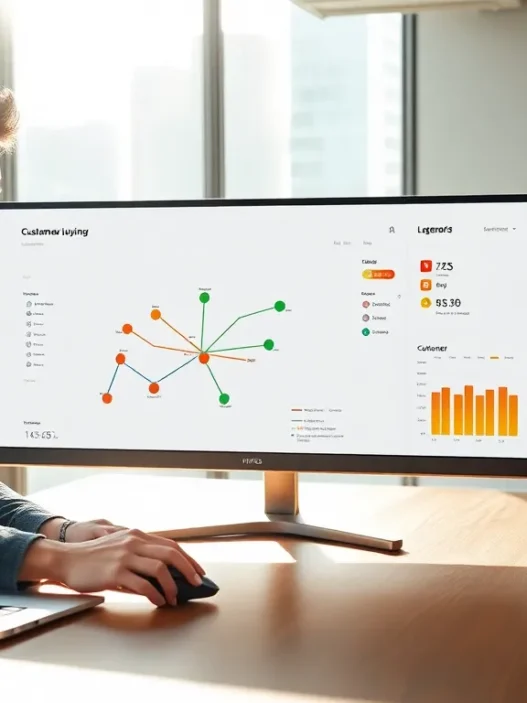
Hyros tracking targets the messy gap between ad spend and sales by stitching clicks, calls, and emails into a single thread you can trust. In practice, it aims to tell you which ads, keywords, and creatives drive real revenue when platform pixels undercount. I view it as an attribution and analytics layer for direct-response brands that live or die by ROAS. It isn’t a traffic tool or an ad platform. It’s the attribution backbone many accounts try to build with spreadsheets, only with identity resolution and server‑side signals baked in. If you need one version of the truth for Meta, Google, TikTok, and email, Hyros sits in that lane.
What Is Hyros Tracking? (Overview and How It Works)
Hyros sits between your ads, site, and checkout to capture every touch it can. A small watcher script loads on your pages, first‑party cookies write visit data, and server‑side events push conversions even when browsers block client calls. The platform pairs clicks to people using a mix of UTM parameters, referral data, email captures, phone numbers, and payment details where you’re permitted to send them.
Once Hyros maps a person, it stitches touchpoints across devices and sessions, then attributes revenue back to the right campaigns and creatives. You choose how the credit falls: first touch, last touch, linear, or time‑decay. Because it can ingest costs from ad platforms and revenue from Shopify, WooCommerce, Stripe, or custom checkouts, the reports show margin‑focused views like ROAS, MER, and LTV by channel.
Two things matter in 2025. First, privacy rules limit what pixels see, so server‑side events help close gaps. Second, paid platforms often disagree with each other. Hyros gives you a consistent ground truth, and you can still compare it to platform numbers when you plan bids.
Evaluation Criteria and Test Setup
To make this review useful, I focus on the questions media buyers and growth leads ask every week. Can it track reliably across iOS and cookie loss? Does the reporting help pick winners fast? Will it play nicely with your stack and legal standards? And how hard is it to set up without a data team?
For consistency, my evaluation follows a standard ecommerce and info‑product scenario with Meta, Google, and TikTok ads, Shopify or a funnel builder, Klaviyo email, and Stripe. Findings reflect product documentation, vendor demos, and common user reports in 2025 rather than a single brand’s results.
What We Evaluated
I rate Hyros across accuracy, speed, and decision value. Accuracy covers identity matching, cross‑device stitching, and event deduplication. Speed looks at data freshness and reporting latency on busy accounts. Decision value means whether the tool makes it obvious which ads to kill or scale. I also weigh setup time, reliability, consent handling, and support quality, because the best math still fails if the implementation drifts.
Features and Capabilities
Hyros brings web, call, and email attribution under one roof. The watcher script and server events log page views, clicks, form fills, and purchases. Phone tracking assigns dynamic numbers so inbound calls tie back to campaigns. Email tracking links revenue to flows and broadcasts when messages drive sessions that convert. Cost ingestion from ad platforms feeds spend into every report, so ROAS and MER don’t need manual spreadsheets.
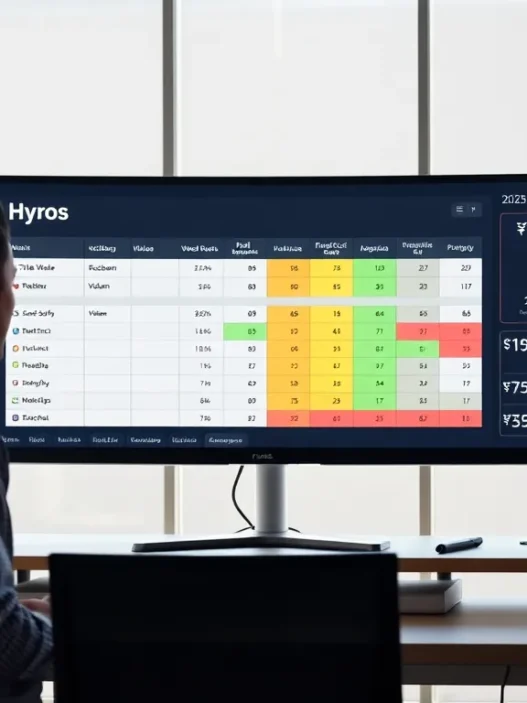
Here’s a simple look at coverage in 2025. I’m using colored dots for quick scanning. 🔵 means strong native coverage, 🟡 means workable with setup, and 🔴 means limited.
| Area | Web | Calls | Ads | LTV | |
|---|---|---|---|---|---|
| Hyros in 2025 | 🔵 | 🔵 | 🔵 | 🔵 | 🟡 |
This mix suits brands that split sales across checkout, phone, and recurring subscriptions. It also helps info businesses that run webinars and long funnels where a single lead might touch ten assets before buying.
Alt text suggestion (table): “Hyros tracking chart with blue dots for strong coverage across web, calls, email, and ads.”
Accuracy and Performance
Identity resolution is Hyros’s big swing. By pairing first‑party cookies with email and phone when available, it can follow a buyer from a Reels click to a desktop checkout a week later. That said, no attribution tool sees everything. VPNs, strict browsers, and consent decisions still hide some touches.
In daily use, I look for two things: match rate and freshness. Hyros tends to post events quickly because it sends server signals even when client calls drop. Reports usually update within minutes, which helps on fast spend. The weak spots show up with complex B2B journeys, where many leads never share an email early. In those cases, model choice matters, and last‑touch views can over‑credit lower‑funnel campaigns.
Setup, Onboarding, and Ease of Use
Install starts with a global script, checkout event mapping, and ad platform integrations. Most storefronts handle this in an afternoon if your theme isn’t heavily customized. Funnels and custom carts take longer because you’ll map each step and pass user identifiers safely.
The interface feels like a control room built for media buyers. Campaign and creative breakdowns sit front and center, while cohort and LTV views live a click away. New users may need a short ramp to trust a third source of truth. A guided onboarding helps, especially on consent configuration and deduping rules.
Reporting and Decision-Making Insights
Good attribution should change bids by Monday morning. Hyros reports focus on that. You can rank ads by purchases, revenue, and ROAS using your chosen model. Creative and headline views help you cut losers without waiting for platform learning to reset. Because Hyros can tie revenue to email and calls, blended views show the real weight of each channel.
I value two workflows most. First, creative testing: spot the winning angle by grouping ads and reading signal early. Second, budgeting: compare Hyros ROAS to platform ROAS to spot under‑counted campaigns that deserve more spend. When those lines cross, you’ve found money.
Integrations, Reliability, and Compliance
Hyros connects with Shopify, WooCommerce, ClickFunnels, Stripe, PayPal, and major ad platforms including Meta, Google, TikTok, and YouTube. Webhooks and APIs cover edge cases, while UTM and naming conventions keep mapping tidy. On busy accounts, reliability depends on consistent parameter hygiene and consent settings: sloppy links still break chains.
Privacy rules shape 2025. Consent banners decide which signals you’re allowed to send. Hyros works within those choices and helps shift more tracking to first‑party and server events. On iOS, Apple’s App Tracking Transparency limits mobile app data, so web‑to‑app journeys still lose some color. If you need a refresher on ATT, Apple’s overview is clear and current: https://developer.apple.com/app-store/user-privacy-and-data-use/. For a fuller stack view, I explain client‑side vs server‑side trade‑offs here: /blog/server-side-tracking-guide.
Pricing and Value for Money
Hyros uses sales‑assisted, quote‑based pricing rather than a public menu. Real‑time prices vary by volume and features, which is common for tools that ingest large event streams. The right way to treat cost is to weigh it against media spend and expected lift from better decisions. If clearer attribution saves even a few wasted points of MER, the math can work fast on six‑figure ad budgets.
Because rates change, I won’t publish a guess. For current pricing in 2025, go straight to Hyros and request a quote that reflects your traffic, platforms, and sales mix.
“Ready to see whether this fits your numbers? Get Hyros for current pricing and a tailored plan.” → https://www.hyros.com/
Pros and Cons
Hyros shines when journeys cross web, email, and phone, and when platform pixels miss revenue that matters. I like the creative‑level views, call attribution, and the way server events backfill gaps on privacy‑heavy browsers. It also wins on blended reporting for teams that make decisions on total MER, not channel silos.
Trade‑offs include a learning curve, careful setup work, and quote‑based pricing that can feel opaque until you talk to sales. Some B2B funnels with long sales cycles may want richer CRM integrations and weighted models tuned to offline stages. As always, your naming and UTM hygiene will make or break the experience.
Comparison With Alternatives
Hyros competes in a crowded space. Choosing a tool often comes down to your channel mix, where revenue lands, and whether you need advanced merchandised reporting or straightforward ad decisions.
Hyros vs Northbeam and Triple Whale
Northbeam and Triple Whale are popular with Shopify‑heavy brands. They both offer strong ecommerce dashboards, cohort views, and clean interfaces. If your entire world is Shopify and you want slick out‑of‑the‑box LTV boards, they make a strong case.
Hyros counters with deeper call tracking, flexible funnel coverage, and granular creative analysis that many direct‑response teams prefer. I also see Hyros used more often by info‑product and hybrid phone‑sale brands. If you spend most of your budget on Meta and Google and care about ad‑creative choices and phone conversions, Hyros usually fits better. If you run retail‑heavy stores and care about Shopify‑first merchandising views, Northbeam or Triple Whale may feel more native.
Hyros vs Wicked Reports, Segmetrics, and AnyTrack
Wicked Reports and Segmetrics have long histories with email‑centric and subscription businesses. They shine when you want LTV tied to email flows, cohort curves, and recurring revenue detail. AnyTrack focuses on flexible event routing and fast setup for affiliates and PPC users who need to pass conversions back to platforms.
Hyros splits the difference by offering email attribution plus strong paid media breakdowns and native call tracking. If your sales mix skews to subscriptions and CRM‑driven renewals, Segmetrics or Wicked Reports can feel more at home. If your core need is ad‑level decisions with blended revenue across web, calls, and email, Hyros tends to be the better pick.
Who Should Use Hyros?
Hyros makes the most sense for brands spending real money on paid social or search who can act on clearer signals each week. Ecommerce, info‑product, coaching, and agency accounts that rely on a mix of checkout, phone, and email revenue will see the biggest lift. Smaller stores with light spend and simple funnels can wait until tracking gaps start to hurt budget decisions.
If you’re still on the fence, think in terms of waste. If your team can cut obvious losers faster and back the quiet winners, Hyros has a home in your stack.
Final Verdict and Score
Hyros tracking delivers what most teams need in 2025: a consistent view of which ads and creatives bring in actual dollars, even as pixels miss. It isn’t magic, and it won’t fix poor offers or broken funnels. But it gives buyers the confidence to shift spend with less guesswork.
“Hyros is best for paid media teams that need ad‑level clarity across web, calls, and email.”
My score: 4.4/5 for direct‑response brands with multi‑channel revenue, 3.9/5 for long‑cycle B2B that lives inside the CRM.
Hyros Tracking: Frequently Asked Questions
What is Hyros tracking and how does it work?
Hyros tracking sits between your ads, website, and checkout to capture touchpoints. A watcher script and first-party cookies log visits; server-side events send conversions when browsers block pixels. It links UTMs, referrals, emails, phone numbers, and permitted payment data to stitch users, then attributes revenue and shows ROAS, MER, and LTV.
How does Hyros tracking handle iOS privacy changes and cookie loss?
In 2025, privacy limits reduce pixel visibility. Hyros tracking mitigates this with first-party cookies and server-side events, so more conversions post even when client calls drop. Web-to-app paths can still lose detail under Apple’s ATT, but Hyros provides a consistent “ground truth” you can compare to platform numbers.
Who is Hyros tracking best for, and when should you adopt it?
Hyros is ideal for direct-response brands spending meaningful budgets on Meta, Google, or TikTok with revenue spread across web checkouts, phone sales, and email. Ecommerce, info-product, coaching, and agencies benefit most. Smaller stores can wait until attribution gaps start hurting budget decisions and creative testing.
Hyros vs Northbeam or Triple Whale: which should I choose?
Choose based on your mix. Shopify-heavy brands that want polished ecommerce dashboards and out-of-the-box LTV boards often prefer Northbeam or Triple Whale. Hyros wins for granular creative analysis, native call tracking, and flexible funnels—great for info-products and phone-assisted sales when you need ad-level decisions across channels.
Is Hyros tracking GDPR/CCPA compliant, and how should I manage consent?
Compliance depends on your setup. Use a consent management platform to capture choices and pass consent flags to Hyros, rely on first-party and server-side events, avoid sending restricted PII, and sign a DPA. Honor access/deletion requests and data retention policies. Consult legal counsel for requirements in your jurisdictions.
Can Hyros tracking replace Google Analytics 4, or do they complement each other?
They complement each other. GA4 covers product and web analytics across all traffic. Hyros tracking focuses on paid media attribution, tying revenue to ads, creatives, and channels with ROAS, MER, and LTV. Keep GA4 for behavioral analysis and debugging; use Hyros to guide bid, budget, and creative decisions.