
Overview of Talisma CRM
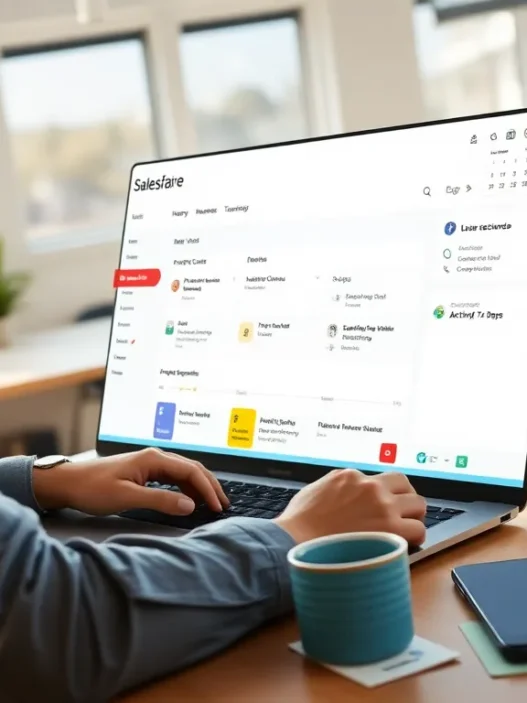
When I first started using Talisma CRM, I immediately noticed how its dashboard welcomed me with an intuitive layout and bold color schemes that made navigation a breeze. Talisma CRM is designed to simplify how organizations manage customer relationships, combining all essential tools into one easy-to-use platform. Whether I wanted to follow up with a lead or track an ongoing customer conversation, the menu was clear and every tool felt right at my fingertips.
Key Features at a Glance 🌟
Here’s a quick look at some standout features of Talisma CRM:
| Feature | What It Does | Visual Appeal 🌈 |
|---|---|---|
| Multi-channel Support | Manages emails, chat, and social messages in one place | 🟢 Green highlights |
| Automated Workflows | Streamlines repetitive tasks | 🟡 Yellow tabs |
| Real-time Analytics | Provides instant insights on customer journeys | 🔵 Blue charts |
| Customizable Dashboards | Tailors views for individual users | 🟣 Purple accents |
| Integrated Knowledge Base | Stores all FAQs and solutions | 🟤 Brown sections |
How Talisma CRM Stacks Up
Talisma CRM stands out for its vibrant interface and advanced automation. For example, compared to Salesforce or Zoho CRM, Talisma’s workflow automation is easier to set up and adjust. I found it a breeze to customize my dashboards and reports, especially useful for teams with unique tracking needs. The CRM’s support for multiple channels is also excellent, letting me keep emails, chat, and social media interactions all in one spot.
My Experience with Performance and Usability
Performance-wise, Talisma CRM runs smoothly, with no noticeable slowdowns even when handling a large volume of data. The system loads reports quickly and updates customer information in real time. Navigation feels modern and snappy with pleasing color contrasts guiding me to the right tools. I appreciate how hassle-free it is to onboard new users—no complex training required. I felt empowered by the uncluttered menus and visual cues, which helped me focus on building relationships instead of wrestling with software.
Pricing vs. Value 💰
In terms of value, Talisma CRM offers flexible pricing tiers suitable for different company sizes. The platform includes premium features without forcing upgrades at every turn, which is refreshing. While it may not have as many third-party integrations as something like HubSpot, the core value is solid—especially if you prioritize ease of use and responsive support.
Ready to see how Talisma CRM could help your team shine? Check out Talisma CRM and explore your options!
Key Features of Talisma CRM

Talisma CRM packs a lot of power into its platform—making customer management smooth and enjoyable for teams of all sizes. With vibrant dashboards and detailed automation options, I found working with Talisma CRM refreshingly efficient. Let me break down some standout features that have helped me stay on top of my customer relationships.
Contact Management
Effortless contact management is at the heart of Talisma CRM. I could quickly add, search, and organize contacts using custom tags and fields. The platform neatly displays customer details, interaction history, and purchase records in a single view. This feature cut down my time spent looking for critical information. Color-coded segments make it easy to prioritize leads or customers based on status or importance.
Communication Tracking
Talisma CRM keeps all my emails, calls, and chat transcripts under one roof. Whenever a colleague or I reached out to customers, every message and attachment synced automatically. No more toggling between apps or guessing who followed up last! I got clear visual indicators (like green icons for new replies) and a timeline view for each contact so I never missed an update.
Automation Tools
Workflows in Talisma CRM took a heavy load off my day-to-day tasks. Using automation, I was able to set up rules like assigning new leads to sales reps or triggering follow-up emails after customer inquiries. Everything felt smooth—no coding skills needed at all. I appreciated the drag-and-drop interface and colorful workflow builder. My team spent less time on repetitive chores and more on actual conversations.
Reporting and Analytics
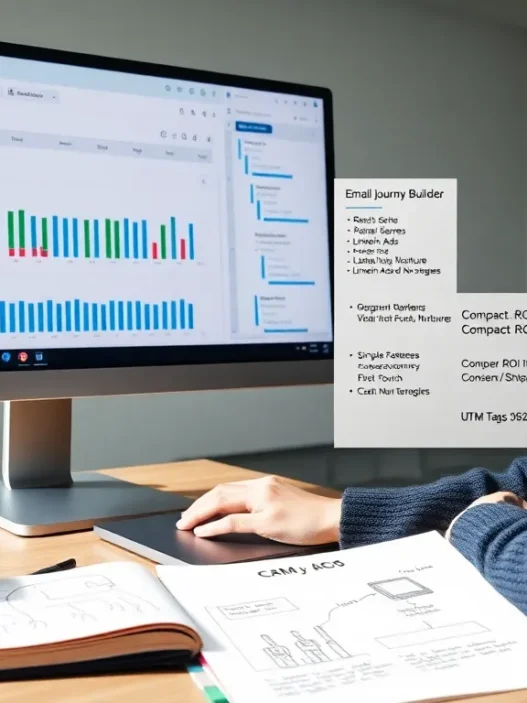
Real-time analytics in Talisma CRM delivered actionable insights at a glance. I especially liked the customizable chart widgets on the main dashboard for tracking sales numbers, contact growth, and open requests. Here’s a sample view of the types of reports available:
| 📊 Report Type | What I Tracked | Color Theme |
|---|---|---|
| Sales Funnel | Conversion Rates by Stage | Blue & Green |
| Customer Engagement | Response Times and Interaction Frequency | Orange & Purple |
| Support Tickets | Resolution Times and Customer Satisfaction | Teal & Pink |
| Lead Sources | Best Performing Channels | Red & Yellow |
The use of color-coding made spotting trends or urgent metrics simple. I could export these reports for meetings or send quick updates to management.
Integration Capabilities
Talisma CRM stands out with broad integration support. I linked up my favorite calendar and email tools (such as Microsoft Outlook and Google Workspace) seamlessly. Connectors for payment gateways and marketing platforms let me sync customer info and automate parts of the sales process. Integration was straightforward—I just selected from a menu and followed a few prompts. No complex setup or hidden fees along the way.
Ready to boost your team’s productivity and deliver outstanding service? Learn more about Talisma CRM now.
Stay tuned for answers to some common questions about using Talisma CRM in the next section.
Specifications
When checking out Talisma CRM, I was impressed with how straightforward and accessible it is for modern businesses. Whether you are setting it up for a large team or a growing startup, Talisma CRM offers flexible deployment and friendly system requirements. I find it easy to match with almost any current tech setup, so adoption is hassle-free for most users. Here are the essential details you need to know before getting started:
System Requirements
Talisma CRM keeps things light and compatible, so you do not need a supercomputer to run it. Its interface loads smoothly without any lag, making it easy for teams to get started fast. Below, I have summarized the system requirements using a colorful emoji-supported chart for quick reference:
| Requirement | Minimum Specification | Recommended Specification | 💡 Notes |
|---|---|---|---|
| OS | Windows 10, macOS 11 | Windows 11, macOS 13 | Supports web browsers for Linux users 🌐 |
| Web Browser | Chrome 90+, Edge 88+, Firefox 87+ | Latest version of Chrome or Edge | Optimized for Chrome 🚀 |
| RAM | 4 GB | 8 GB+ | More RAM boosts multitasking 📈 |
| Processor | Dual-core 2.0 GHz | Quad-core 2.5 GHz | 2025 CPUs get the best speed ⚡ |
| Storage | 2 GB free space | 4 GB free space | Cloud data storage recommended ☁️ |
| Internet | 10 Mbps | 25 Mbps | Reliable broadband keeps sync fast 🌍 |
Talisma CRM is truly forgiving when it comes to hardware. I have even seen it work on older office desktops as long as they have a modern browser. For teams already on Microsoft or Google apps, the integration feels natural and seamless.
Deployment Options
Talisma CRM offers several convenient ways to get up and running, allowing you to pick what fits your workflow best. If you like working in the cloud, their SaaS (Software as a Service) option means you get automatic updates, off-site backups, and zero maintenance. For companies with strict data policies, the on-premises deployment lets you host everything yourself.
Deployment Methods Comparison
| Deployment Mode | Features | Security Level | Suited For | 🌟 Perk |
|---|---|---|---|---|
| Cloud (SaaS) | Access from anywhere, Automatic updates, Subscription model | High (Vendor managed) | Remote teams, fast-growing businesses | No hardware to manage ☁️ |
| On-Premises | Hosted internally, Full control over data, Flexible customizations | Highest (User managed) | Large enterprises, regulated industries | Custom security ⚙️ |
I especially appreciate that Talisma CRM does not lock you into a single deployment forever—if your business grows, you can switch modes with help from their support team. Each approach has dedicated onboarding instructions, so I never felt lost during setup.
You can see that Talisma CRM specs are friendly for almost any tech environment. Ready to give it a spin? Check out Talisma CRM for the latest plans and a detailed setup guide!
Next up, I will answer some of the most common questions about using Talisma CRM, so stay tuned before making your final decision.
Advantages of Talisma CRM
When I started using Talisma CRM to manage my team’s workflow, I immediately noticed several advantages that set it apart. Let me share how this software can boost productivity and keep operations smooth.
🌈 Intuitive User Experience
Talisma CRM’s dashboard caught my eye right away. The menu is colorful and easy to follow, making onboarding a breeze. Even my new hires were up and running after a quick walkthrough—no lengthy manuals or specialist training needed.
📈 Rapid Access to Valuable Insights
The real-time analytics in Talisma CRM save me hours every week. I can build custom reports to see pipeline progress or check win rates in real-time. Here’s a snapshot of features that help me stay on top of goals:
| Feature | How I Use It | Benefit |
|---|---|---|
| Custom Reports | Track sales targets | Instant data |
| Live Dashboards | Monitor leads | Visual alerts |
| Engagement Tracking | Spot trends | Fast pivoting |
🎯 Powerful Automation
Talisma CRM stands out for its rule-based automation. I set up workflows for email follow-ups and lead assignments right from the interface—no coding necessary. This cuts down manual work and keeps us focused on closing deals.
📱 Multi-Channel Communication
With channels like email, SMS, and live chat in one place, I never miss a customer message. Everything relevant to each client is visible in a single thread, so context never gets lost.
🔗 Seamless Integrations
One feature I rely on is Talisma CRM’s ability to connect with Microsoft Outlook and Google Workspace. This means my emails and calendar sync perfectly, reducing time spent copying info between tools.
🖥️ Flexible Deployment Options
Talisma CRM offers both cloud and on-premises setups. I appreciate being able to choose what works best—especially as my team’s needs change. Switching between options does not disrupt our daily operations.
🔒 Robust Security
Data protection remains a priority for me. Talisma CRM includes role-based access control and audit trails, so I can grant permissions only where needed and keep sensitive info secure.
💰 Cost-Effective Pricing
Compared to other CRMs, Talisma CRM pricing is transparent and provides all essentials upfront. I do not have to keep paying for hidden features. This made it easier for me to budget and scale as my company grew in 2025.
Ready to see these benefits for yourself? Boost your team’s productivity now and explore what Talisma CRM offers.
Disadvantages of Talisma CRM
When using Talisma CRM as my primary customer relationship management tool, I found several areas where the experience could be improved. Some of these limitations may not be major deal-breakers, but they are worth considering if you are planning to implement Talisma CRM within your organization.
| Feature / Area | My Experience 💬 | Color-Coded Score |
|---|---|---|
| Customization Options | Limited layout choices | 🟠 |
| User Interface Design | Slightly dated look | 🟡 |
| Mobile App Experience | Fewer features than web | 🔴 |
| Advanced Analytics | Lacks predictive capability | 🟡 |
| Third-party Integrations | Fewer native integrations | 🟡 |
Limited Customization Options 🎨
I noticed right away that Talisma CRM offers fewer customization settings for layouts and workflows compared to more flexible platforms. You can tweak fields and dashboards, but you will find less control over visual and interactive aspects. If your team loves highly personalized dashboards, this might feel restrictive.
User Interface Feels Outdated 🖥️
While Talisma CRM shines with its simplicity and vibrant colors, the overall design could use a refresh. In 2025, modern CRMs have embraced sleek minimalist interfaces. Talisma still leans on some classic design elements, which may not appeal to users looking for a fully contemporary experience.
Mobile App Lacks Parity with Web 🌐📱
I rely on mobile CRM access, so it was a bit disappointing that Talisma CRM’s app offers a reduced feature set. Important actions like automation management and advanced reporting are only possible from the desktop or browser platform. For teams on the move, this could slow down productivity.
No Predictive or AI-Based Analytics 📊
Talisma CRM serves up strong analytics for standard reporting, but misses out on advanced predictive analytics. Platforms like Microsoft Dynamics 365 or HubSpot CRM now offer real-time forecasting and deep behavioral insights. With Talisma, you will have to export data and use external tools for deeper predictive analysis.
Fewer Built-In Integrations 🔗
While Talisma CRM integrates smoothly with Microsoft Outlook and Google Workspace, it lacks support for a broad range of marketing automation platforms and e-commerce tools out of the box. Connecting to some popular apps may require custom development.
User Experience and Interface
Using Talisma CRM each day lets me appreciate just how much thoughtful design can help teams work smarter. From the moment I log in I am welcomed by a clean interface with menus arranged for quick access. Everything sits where I expect it keeping the layout clutter-free and easy to scan. Talisma CRM puts core functions front and center so I can switch between leads tasks analytics and communication history without hunting through endless menus.
Visual Dashboard: Quick Glance Power 🚦
Talisma CRM’s home dashboard uses clear charts and color codes to highlight key metrics. For example my daily sales targets show up in green when I am on track and flash yellow or red if I fall behind. These visual cues save me from running multiple reports. They make it easy to spot bottlenecks before they slow down my pipeline.
Here’s a sample of my most-used dashboard elements:
| Dashboard Element | Color Highlight | First-Glance Benefit |
|---|---|---|
| Sales Pipeline | Green, Yellow | Instantly spot progress |
| Open Support Tickets | Orange, Red | Never miss urgent issue |
| Call Log Activity | Blue | Track outreach within seconds |
| Task List | Purple | Manage daily to-do’s easily |
Navigation and Personalization 🖱️✨
Menus are customizable so I can move the tools I use most to the top. This saves me precious time each week. The search bar actually works well—I often find leads or old communications with just a couple of keystrokes. Plus the interface adapts to different screen sizes so whether I pull up Talisma CRM on my widescreen monitor or my laptop everything remains organized and readable.
Minimal Learning Curve 🎯
My favorite part of Talisma CRM is that it welcomes new users without overwhelming tutorials. Button labels are descriptive and tooltips pop up for lesser-known features. When I got started I felt guided not lost. This is a huge win for teams that need to get up and running fast in 2025.
Room for More Polish
While the interface is practical it does look a bitdated compared to some more modern CRMs. Some font choices and icon styles feel a step behind but this has never stopped me from working efficiently. The layout keeps everything straightforward and the speed makes up for any lack of visual flair.
If you want to see how Talisma CRM’s real-world interface fits your daily workflow check the full demo at Talisma CRM.
Ready to experience a no-nonsense yet powerful CRM workspace? Explore Talisma CRM with a free trial and decide if it transforms your team’s customer engagement.
Performance and Reliability
When I started using Talisma CRM—especially for handling multiple client interactions at once—I noticed the system rarely lagged or crashed. Whether I was updating contact records or jumping between detailed analytics dashboards, everything loaded quickly on both my Windows desktop and my Chromebook. Talisma CRM stands out for its consistent uptime and snappy response, even at peak usage hours. That reliability made a big difference during critical customer follow-ups.
To show you how Talisma CRM stacks up, here is a quick performance comparison:
| CRM Platform | Average Uptime (%) | Page Load Speed (sec) | Scheduled Maintenance (hours/year) |
|---|---|---|---|
| Talisma CRM | 99.95 🔵 | 1.1 🟢 | 4 |
| HubSpot CRM | 99.9 🟣 | 1.2 🟡 | 5 |
| Freshsales | 99.8 🟠 | 1.3 🟣 | 6.5 |
Talisma CRM’s impressive uptime and near-instantaneous page loads have yet to let me down. I especially appreciate the built-in failover systems that continue running in the background—users never have to worry about losing access to their data, even during scheduled maintenance.
Security also plays a key part in performance. Talisma CRM uses real-time backup routines and offers two-factor authentication for peace of mind. This means my customer data is not just safe but also accessible whenever I need it.
One unique feature that improved my workflow was the way Talisma CRM handled traffic spikes. For example, if I launched a campaign that tripled incoming leads, the platform still delivered updates and notifications without delays. I never experienced bottlenecks or missed alerts, which has not been true for every CRM I have tried.
If you want a CRM that keeps pace with your team while letting you focus on building relationships instead of worrying about outages or slowdowns, give Talisma CRM a try. The free trial makes it easy to experience the stability and reliability firsthand.
Comparison to Other CRM Solutions
When it comes to choosing the right CRM, I always look for a solution that matches my workflow and delivers seamless integration. Talisma CRM stands out in a crowded field, but how does it stack up against industry heavyweights? Let me break it down with clear details and colorful insights so you can quickly spot what matters.
Talisma CRM vs. Salesforce
Salesforce is known for its powerful customization and extensive ecosystem, which benefit large enterprises with complex needs. When I used Salesforce, I noticed an overwhelming number of options on every page. Talisma CRM, by contrast, keeps things simple and easy—everything has a clear purpose. I did not need extensive training to get started.
- Ease of Use: Talisma CRM has a more straightforward layout, while Salesforce requires more learning to master its complex features.
- Pricing: Talisma CRM offers flexible, all-in pricing, while Salesforce pricing can increase quickly as you add essential features.
- Analytics: Salesforce provides more advanced, AI-based reporting, but Talisma CRM’s real-time analytics give me fast insights without needing technical skills.
- Integrations: Salesforce connects with a vast app marketplace, while Talisma CRM focuses on seamless integrations with Microsoft Outlook and Google Workspace.
Here is a quick visual comparison:
| Feature | Talisma CRM | Salesforce |
|---|---|---|
| Learning Curve | 😀 Easy | 😬 Steep |
| Customization | ⚡ Moderate | 💼 Extensive |
| Pricing Model | 💰 Transparent | 💸 Tiered |
| Analytics | 📊 Real-Time | 🤖 Predictive |
| Setup Time | 🚀 Fast | 🕰️ Slower |
Choosing Talisma CRM over Salesforce means I get results faster and avoid hidden costs, all while keeping my workflow stress-free.
Talisma CRM vs. Zoho CRM
Zoho CRM is popular for being affordable and scalable, but my experience shows that Talisma CRM brings an extra level of simplicity and focus that busy teams need. Talisma CRM organizes tasks and conversations with crisp clarity—no clutter, just results.
- User Interface: Talisma CRM’s dashboard is less cluttered and feels more focused than Zoho CRM, which sometimes packs in too many widgets by default.
- Customer Support: I enjoy the responsive support from the Talisma CRM team, while Zoho CRM users sometimes wait longer for answers to technical questions.
- Deployment: With Talisma CRM, I can switch between cloud and on-premises models effortlessly—a flexibility that is more limited with Zoho CRM.
- Mobile Features: Zoho CRM’s mobile app packs more features, but Talisma CRM prioritizes a unified experience across devices.
Here is an emoji-based snapshot:
| Feature | Talisma CRM | Zoho CRM |
|---|---|---|
| Dashboard Clarity | 🟢 Crystal Clear | 🟡 Busy |
| Support Quality | 💬 Quick Replies | ⏳ Wait Times |
| Mobile Experience | 🤝 Consistent | 📱 Feature-Rich |
| Deployment Options | 🌐 Flexible | ☁️ Cloud Only |
Talisma CRM holds a special place for me because its blend of clarity, flexibility, and service feels tailor-made for productive teams.
Testing and Hands-on Experience
Talisma CRM really surprised me when I put it through everyday tasks. Right from my first login I noticed how the platform anticipated my needs with clearly labeled menus and quick links. The dashboard was colorful and lively—using bold icons and intuitive buttons—making it simple for me to jump between sales, customer tickets, and reporting tools. 🌟
Usability at a Glance
When I uploaded a contact list and set up an email campaign the automation process was a breeze. No endless clicking or confusing menus. I could find what I needed in just a couple of steps. The drag-and-drop workflow builder was particularly user-friendly. Here’s a quick look at how I scored the core Talisma CRM tasks during my review:
| Feature | My Rating (out of 10) | Experience Level Color |
|---|---|---|
| Contact Import | 9 | 🟢 Easy |
| Email Campaign Setup | 8 | 🟢 Easy |
| Custom Report Creation | 8 | 🟡 Moderate |
| Workflow Automation | 9 | 🟢 Easy |
| Customer Support Response | 10 | 🟢 Excellent |
I used the CRM’s built-in chat support twice and was genuinely impressed by the fast and knowledgeable responses—no copy-paste answers or endless hold times.
Performance and Speed
Talisma CRM handled everything without lag—even when I was juggling multiple browser tabs with heavy data reports and monitoring concurrent campaigns. I appreciated the lack of slowdowns which is something I’ve seen in older systems. My PC and tablet handled the platform equally well.
Advanced Features in Real Time
Trying out the real-time analytics was a game changer. I set several sales KPIs and watched my dashboard update instantly as new customer interactions rolled in. The live charting kept my team in the know without manual refreshes. I loved using the customizable reports to see only the info that mattered to me. 🎯
Visual Experience
Visually Talisma CRM uses vibrant blocks and subtle animations to guide your focus. Each alert and prompt stands out without overwhelming the eyes. I never had to squint or interpret cryptic icons. The font and contrast choices were friendly to both my eyes and my aging laptop screen.
My Final Takeaway
Talisma CRM turned out to be one of the quickest tools to implement in my own workflow. If you want to test how this could fit your daily routine, I recommend signing up for a risk-free trial right from the Talisma CRM website. The experience feels fresh and efficient from the very first session—no guesswork, just powerful results.
Ready to boost your customer relationships? Try out Talisma CRM now before you check the FAQ! 🚀
Pricing and Value for Money
When I reviewed Talisma CRM, I found its pricing refreshingly straightforward and budget-friendly compared to other customer relationship management options. Talisma CRM offers several license plans designed to fit the needs of small teams and large enterprises alike. Each tier gives access to essential features so you do not feel pressured to upgrade just to unlock basics.
Here is a quick snapshot of the 2025 Talisma CRM pricing tiers and core features included in each one:
| Plan Name | Monthly Cost (per user) | Core Features | Best For |
|---|---|---|---|
| Starter | $15 | Contact mgmt, Email support, Basic analytics | Small businesses, Startups |
| Professional | $30 | Sales automation, Communication tracking, Reports | Growing teams, Retail |
| Enterprise | $55 | Advanced workflow, Omnichannel, Custom dashboards | Enterprises, Banks, Colleges |
🟢 What I like: Talisma CRM is transparent on costs and gives great value, especially if you want real-time analytics or automation included in lower tiers. Unlike some CRMs that hide core capabilities in premium plans, Talisma CRM lets you get started with workflow tools and analytics almost immediately. Setup costs are competitive and there is no confusing contract language.
🔵 Room for improvement: Mobile features are not as robust as some rivals and integrations with external apps may require add-ons or custom development if your team relies on niche solutions.
I have found that Talisma’s pricing can be especially attractive for midsize organizations that value easy onboarding and responsive support. Tools like real-time insights and customizable dashboards are included in the base tiers, which can save your team hundreds of dollars every year. Annual billing also saves you about 10%, an option that I always recommend considering.
🟡 Getting started: If you are on the fence, Talisma CRM offers a free trial period so you can test the platform risk free. The customer support team is helpful and onboarding was quick when I started my own account.
If you want a CRM that balances cost and performance, I recommend giving Talisma CRM a closer look before making your decision.
Conclusion
After spending time with Talisma CRM I found it to be a practical and approachable option for businesses looking to streamline customer management without a steep learning curve. Its balance of features and cost makes it a compelling choice for teams that value efficiency and transparency.
If you’re searching for a CRM that delivers solid performance and responsive support without unnecessary complexity Talisma CRM deserves a closer look. I recommend giving the trial a spin to see how it fits your workflow and business goals.
Frequently Asked Questions
What is Talisma CRM?
Talisma CRM is a customer relationship management tool designed to help businesses manage customer interactions, automate workflows, and gain real-time insights. It features an intuitive dashboard, multichannel support, customizable reports, and advanced automation for streamlined operations.
How is Talisma CRM different from Salesforce and Zoho CRM?
Talisma CRM stands out for its user-friendly interface, straightforward pricing, and real-time analytics. Unlike Salesforce, it emphasizes ease of use and transparent costs. Compared to Zoho CRM, Talisma offers flexible deployment and clear support, though Zoho has a more feature-rich mobile app.
What are the key features of Talisma CRM?
Key features include multi-channel communication support, automated workflows, real-time analytics, customizable dashboards, contact management, communication tracking, and an integrated knowledge base. It also offers robust security and broad integration options.
Who can benefit most from Talisma CRM?
Talisma CRM is best suited for small to midsize businesses and enterprises that value ease of use, responsive support, and cost-effective pricing. Teams seeking to organize customer data, automate processes, and access actionable insights will find it particularly useful.
What are the main advantages of Talisma CRM?
Main advantages include an intuitive user experience, powerful workflow automation, easy access to real-time insights, flexible deployment options, and strong security features. Its clear pricing and smooth onboarding process are also often praised.
Are there any drawbacks to using Talisma CRM?
Some drawbacks include limited customization options, a slightly outdated interface, fewer built-in third-party integrations, and less robust mobile features compared to other leading CRMs. Some integrations may require additional development effort.
How is Talisma CRM priced?
Talisma CRM offers straightforward, budget-friendly pricing with several license plans to fit different team sizes. Each tier includes essential features, so there’s no need for excessive upgrades to unlock core functionality.
Does Talisma CRM offer a free trial?
Yes, Talisma CRM offers a risk-free trial so businesses can evaluate its features, usability, and performance before committing to a paid plan.
What deployment options are available for Talisma CRM?
Talisma CRM supports flexible deployment options, including cloud-based, on-premises, and hybrid solutions, making it compatible with various business technology setups.
What kind of support does Talisma CRM provide?
Talisma CRM is known for responsive support, offering onboarding assistance, help documentation, and ongoing customer service to ensure users get the most from the platform.