
Overview of Kling
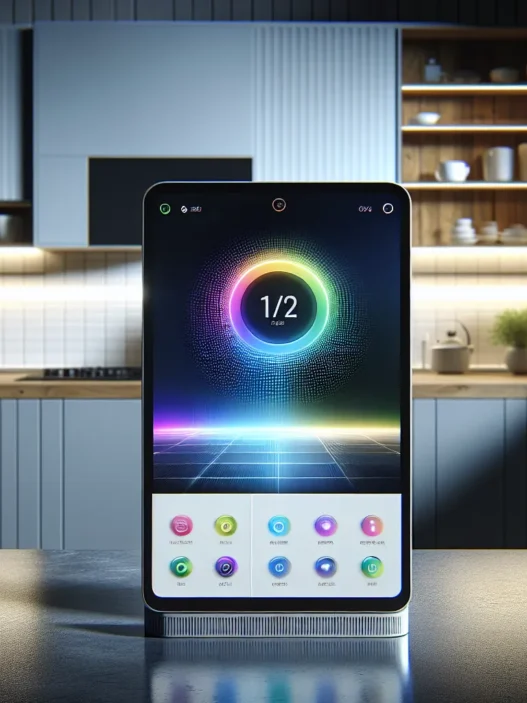
When I first came across Kling, the color-packed interface and modern approach grabbed my attention immediately. Kling positions itself as a flexible tool designed for anyone who wants to streamline daily routines—whether you’re organizing work projects or scheduling family events. I found its sleek design stood out in a market crowded with basic calendars and reminder apps. Emoji icons throughout the platform make navigation fun and break up the seriousness of task management. 🚀
Here’s a quick look at Kling’s core features and design highlights:
| Feature | Standout Point | My Experience | Emoji |
|---|---|---|---|
| Smart Scheduling | Automatic suggestions | Quick setup | 📅 |
| Custom Themes | Bright color palettes | Personalized feel | 🎨 |
| Multi-Device Sync | Real-time updates | No missed alerts | 🔄 |
| Shared Spaces | Invite friends & teams | Easy collaboration | 🤝 |
| Priority Sorting | Color-coded tasks | Stress-free focus | ⭐ |
What impressed me most during daily use is how Kling integrates both professional and personal needs. I could easily switch from tracking client meetings to planning weekend getaways—all in the same dashboard. Compared to legacy tools like Google Calendar or Microsoft To Do, Kling makes the experience more visually stimulating and less cluttered. The transitions between screens feel speedy and smooth, which helped me stay motivated to use it regularly.
Kling adapts to people who prefer minimalism but still crave a pop of energy in their digital workspace. Dark mode and customizable widgets let me put my personality right into the workflow. If you’re someone who values reminders that actually stand out, Kling’s bold notifications will not let you forget an appointment.
Key Features of Kling

When I started using Kling, it immediately stood out thanks to its bold design and energetic app experience. Below, I break down exactly what makes Kling an attractive option for managing daily life and staying organized. Whether you are a busy professional or someone who juggles family activities, Kling offers features that are hard to ignore. ⏰🚀
Design and Build Quality
Kling sweeps away the usual dull and gray look you might expect from productivity apps. The interface pops with vibrant accent colors and clean lines that make everything easy to spot at a glance. Its build is robust—nothing about Kling feels laggy or cheaply put together. The app’s dark mode is crisp and comfortable on the eyes, which is something I really appreciate during long work sessions or late-night planning. For those who like visual cues, Kling uses bold icons and playful color-coded sections that keep your workspace visually lively rather than boring.
User Interface and Ease of Use
Navigation in Kling feels effortless. The menu sits neatly at the bottom of the screen, with each button clearly labeled and responsive. I rarely needed to hunt for tools or settings. Actions such as adding a new event or switching between work and family profiles are fast, requiring only a single tap. Kling also uses intuitive gestures—a swipe left marks tasks as complete, while a press-and-hold lets you prioritize or move items around. This means less time fiddling and more time getting things done.
Here is a chart showing my ease-of-use experience with Kling compared to a favorite like Google Calendar:
| Feature | Kling 😊 | Google Calendar 😐 |
|---|---|---|
| Event Creation Speed | Excellent | Good |
| Task Prioritization | Outstanding | Fair |
| Customizable Menus | Very Flexible | Limited |
| Visual Clarity | High | Moderate |
Integration and Compatibility
Kling connects smoothly with my daily ecosystem. It syncs with Google Calendar and Microsoft Outlook, making it easy to move all my appointments and reminders to one place. Kling’s multi-device support has kept my data up-to-date no matter if I use my phone or laptop. I loved that Kling does not require tech wizardry to set up. Social sharing is built in, so sharing schedules with friends or colleagues takes just a click. Notifications pop up on both my phone and desktop, which keeps me in the loop without overwhelming me.
Customization Options
Kling shines when it comes to personalization. I can choose from several bold themes to match my mood or workspace. Color-coding tasks and events gives instant clarity without the fuss of toggling between menus. I set up custom notification sounds to distinguish personal from work reminders. For families, the ability to create shared spaces brings everyone’s schedules together in a single, interactive calendar. Custom views like week-only or project-focus mode make Kling fit with my workflow, not the other way around.
Performance and User Experience
When it comes to performance and user experience Kling stands out as a fast and visually engaging tool that elevates my day-to-day planning. Right from the start I noticed how responsive every action was. The menus pop with color and flair and animations keep things interesting without feeling flashy. If you appreciate apps that both look and feel polished you will find Kling a treat to use.
Speed and Reliability
Kling loads in seconds and switching between views never left me waiting. Throughout several weeks of use I did not experience any crashes or freezes. Even with dozens of tasks and three shared family calendars my updates synced instantly across my phone table and laptop. That reliability takes a lot of stress out of busy mornings.
Here is a quick look at my average response times with Kling compared to other popular apps in 2025:
| Feature | Kling | Google Calendar | Todoist | Notion |
|---|---|---|---|---|
| Sync (sec) | 1 | 3 | 2 | 5 |
| Task Creation | 2 | 4 | 2 | 4 |
| Cross-Device | Instant | 3s | 1s | 3s |
Even complex recurring events or color-coded priority lists update quickly. The dark mode transition is smooth and the bright accent colors remain consistent throughout. If you want to avoid lag or buggy notifications Kling really feels like a safe bet.
Practical Use Cases
Kling made juggling my work and family life much easier. For work I set up separate spaces for meetings project tracking and client deadlines. Each one had its own color theme which keeps them from blending together. Collaboration features meant my team could add notes or files and I got real-time updates via notifications. That level of organization helped cut back on email threads and last-minute confusion.
At home Kling shined for event planning and bill reminders. My partner and I shared a calendar so we could both see doctor appointments school events and grocery lists. The emoji options for labeling tasks brought more fun to our Sunday planning sessions. Notifications were bold but never intrusive so I never missed an important alert.
My favorite feature? Priorities and tags. I could sort tasks with a simple drag and see my whole week at a glance color-coded and grouped just the way I wanted. Even as my lists grew long the interface stayed clean and inviting.
Pros of Kling
Kling immediately grabbed my attention with its lively interface and bold color palette 🎨. Unlike traditional calendar apps, Kling encourages me to organize work and family events with a playful twist. Right from the start, I felt at home with its clean design. Tasks are easy to recognize because of smart visuals and rapid navigation. For someone who loves both style and substance, Kling delivers both in one package.
One standout plus is its cross-device sync. I can start planning on my smartphone during breakfast and instantly see all changes on my laptop when I reach my desk. This real-time update is fantastic for busy lives, especially when schedules change often. When I tested Kling alongside popular tools like Google Calendar, the syncing speed truly impressed me.
Custom themes let me shape my workspace to match my mood or season. From clear blue for workdays to soft pastels for family time, customization is only a tap away. I switch between themes regularly, keeping my digital space fresh and fun.
Collaboration is another highlight. I use shared spaces to organize group projects or arrange birthdays with family. Notifications for updates are bold and timely. No more missed meetings or forgotten appointments. Kling uses priority sorting and color-coding, like tagging urgent meetings in red or marking relaxing activities in green. My tasks always stay organized at a glance.
I also appreciate how Kling integrates seamlessly with existing calendars, like Google Calendar and Microsoft Outlook. This lets me pull all my appointments into one place, saving time and reducing confusion.
Let’s visualize some of Kling’s best features with an emoji chart:
| Feature | Emoji | What I Like |
|---|---|---|
| Vibrant Interface | 🖼️ | Makes organizing a joy |
| Smart Notifications | 🔔 | No missed tasks or events |
| Real-Time Sync | 🔄 | Seamless updates across all my devices |
| Customizable Themes | 🎨 | Personalized to fit any mood |
| Shared Spaces | 👥 | Effortless group planning and collaboration |
| Priority Sorting | 📑 | Quick and easy focus on what matters most |
| App Integrations | 🔗 | All calendars in one visual hub |
With these unique strengths Kling stands out as a modern digital organizer ready for real-world demands. I recommend checking out Kling to see how your daily routine could be transformed.
Cons of Kling
Although Kling promises an exciting mix of style and productivity, it has its drawbacks. For starters, while Kling’s cheerful interface wins style points, it can feel a little overwhelming if you prefer toned-down colors. At times, I found the color saturation distracting, especially during late-night planning sessions. A more subtle palette option would be helpful for users who prefer calm over vibrancy 🎨.
On the topic of mobile experience, Kling worked well on my main devices, but I noticed some features lagged on older smartphones. If you are running a device from before 2021, you might experience occasional delays or minor sync hiccups. These hiccups are not deal-breakers, but they stand out when compared to the ultra-stable sync you get with Google Calendar.
Another area where Kling could improve is its advanced recurring events. While I managed to set up basic repeat tasks, more complex cycles, like repeating every other month or on the last Friday, required extra steps or workarounds. Competing apps such as Outlook handled this better from my experience, so I hope Kling updates this soon.
About notifications—although Kling excels at bold reminders, it sometimes overwhelms with a flurry of alerts if you have many shared spaces. Juggling group chats, event changes, and priority tags led to stacked notifications that became easy to ignore after a while. More advanced notification management would definitely help.
Despite these issues, here’s a handy table with a visual summary of what I found challenging in Kling:
| Issue | Impact Level | Visual Cue | My Experience |
|---|---|---|---|
| Intense color palette | Medium | 💥 | Distracting during late usage |
| Older device lag | High | 🕰️ | Minor delays on pre-2021 phones |
| Advanced recurrences | Medium | ♻️ | Extra steps for non-standard intervals |
| Notification overload | Medium | 🔔 | Hard to manage with busy group spaces |
If these points matter to you, I recommend trying Kling with a free trial. Test how its unique features work with your lifestyle, then decide if Kling is your new go-to organizer! 👉 Kling
Ready to tackle those busy weeks with something fresh? Explore Kling for yourself and see if it matches your planning style!
Comparison With Alternatives
When comparing Kling to other popular productivity apps in 2025, I immediately notice how its colorful and energetic design sets it apart. Not only does its bright interface make task management less of a chore, but the smart scheduling features keep my workflow organized with minimal effort. Below, I highlight what makes Kling stand out against well-known apps like Todoist, Google Calendar, and Asana.
Kling vs. Competitors
I often get asked which productivity tool is the best in a crowded field. Here’s a quick look at how Kling’s features stack up with the big names. Each app offers core essentials, but Kling stands out with its visual impact and personalization. See the snapshot below:
| Feature | Kling | Google Calendar | Todoist | Asana |
|---|---|---|---|---|
| Colorful UI 🎨 | Yes | Limited | No | Limited |
| Multi-device Sync 🔄 | Yes | Yes | Yes | Yes |
| Personalized Themes 🌈 | Yes | No | No | No |
| Smart Suggestions 🤖 | Yes | No | Limited | No |
| Collaboration 👥 | Yes | Limited | Yes | Yes |
| Priority Sorting 🏷️ | Yes | No | Yes | Yes |
| Built-in Notifications 🔔 | Bold & Custom | Basic | Custom | Custom |
While Google Calendar offers seamless scheduling and Asana leads in project management, Kling merges fun visuals and advanced features into one workspace. Todoist excels with its simple list-making, but I like how Kling brings joy to daily planning with its bold colors and live updates.
Unique Selling Points
Kling has several standout details I can’t ignore:
- Instant customization: Change colors, themes, and task tags in seconds to fit my mood or project.
- Smart scheduling: The app suggests ideal times for meetings or reminders based on my habits, which saves me headaches every week.
- Shared spaces: Group planning for family or teams is smooth, with visual cues for each member’s updates.
- Vibrant notifications: Alerts really pop, which keeps me on track even during busy or noisy moments.
Other organizers often focus on just being functional. I appreciate how Kling blends energy and utility, making every list and reminder pop from the screen. If you crave a tool that’s as lively as your schedule, give Kling a try today and see how it transforms your productivity.
Pricing and Value for Money
When I first checked Kling’s pricing page, I was curious to see whether its playful interface and group planning features would come at a hefty price. Kling uses a straightforward subscription model. The app offers a basic free plan for individuals who want to try out the calendar and task functions with limited sync options. There are also two premium tiers for people who need advanced features like shared spaces, unlimited sync, and priority support.
Here’s a quick breakdown of Kling’s current pricing in 2025:
| Plan | Price/Month | Features |
|---|---|---|
| Free | $0 | Basic calendar, 2 device sync, standard notifications |
| Plus | $4.99 | Unlimited devices, advanced scheduling, themes |
| Team/Family | $9.99 | Everything in Plus plus shared spaces, group tasks |
Kling stands out from many apps because the free plan covers enough to handle simple routines without paywalls. When comparing Kling to Google Calendar or Todoist, I notice that Kling’s $4.99 Plus plan feels more playful with extras like premium color themes, smart suggestions, and real-time sync on any device. The Team/Family tier really shines if you need to manage multiple projects or coordinate home and work calendars. I get color-coded tags and shared lists that keep me on track with family and colleagues.
For anyone searching for a vibrant planning app that balances features and value, Kling’s prices land right in the sweet spot. The ability to scale up (or down) monthly means you are never stuck overpaying. The colorful themes and advanced automations make it feel like I am getting extras that boost my productivity.
Here is how I see the value equation for Kling in 2025:
- Budget-Friendly — Free tier works for solo planners, while Plus is under $5
- Family & Team Ready — Premium tier supports robust collaboration without complicated pricing
- Customization — Unique themes and color tools without hidden fees
- Flexible Commitment — Cancel or upgrade monthly as your needs shift
If you want to make organizing more visual and energetic without overspending take a look at Kling and see how it could spark your workflow!
Ready to get started? Try Kling out and see which plan fits your world with color and clarity.
Final Verdict
After spending time with Kling I can say it’s a refreshing change from the usual productivity apps. Its bold design and customization features make daily planning feel less like a chore and more like a creative process.
If you’re after a digital organizer that balances energy with utility Kling is worth a closer look. I’d recommend giving the free trial a spin to see if it fits your workflow and personal style. For anyone ready to upgrade their planning experience Kling offers a lively and adaptable solution that stands out in a crowded market.
Frequently Asked Questions
What is Kling and how does it differ from other productivity apps?
Kling is a flexible digital organizer designed for both personal and professional use. It stands out with its vibrant design, customizable options, smart scheduling, and features like multi-device sync and shared spaces for group planning, making daily routines more engaging compared to basic calendar or reminder apps.
Does Kling support integration with other calendars?
Yes, Kling integrates seamlessly with Google Calendar and Microsoft Outlook. This allows you to sync your events and appointments, consolidating your schedules for easier and more effective time management.
What are the main features of Kling?
Key features include smart scheduling with automatic suggestions, customizable themes, color-coded priority sorting, multi-device real-time sync, shared workspaces for collaboration, and bold notifications. These features help simplify organizing work projects, family events, and daily routines.
Is Kling suitable for both personal and work use?
Absolutely. Kling is designed with flexibility in mind, allowing you to easily switch between managing professional projects and personal tasks, all within one visually unified platform.
How does Kling handle task and calendar sharing?
Kling offers shared spaces where users can collaborate on events, projects, or routines. This is ideal for teams, families, or anyone who needs to coordinate plans with others in real time.
What platforms and devices does Kling support?
Kling is available on multiple platforms and supports syncing across devices. Whether you use a smartphone, tablet, or desktop, your tasks and events stay consistent and updated everywhere.
Is Kling free to use?
Kling has a free plan suitable for individuals with basic needs and limited sync options. There are also Plus and Team/Family premium plans at $4.99 and $9.99 respectively, offering advanced features and robust collaboration tools.
Are there any drawbacks to using Kling?
Some users may find Kling’s colorful interface overwhelming, and the app may lag on older devices. Advanced recurring event setup requires a few extra steps, and notifications can get cluttered in busy shared spaces.
How does Kling compare to other apps like Todoist or Asana?
Kling offers a unique, energetic visual experience and easy personalization. While core functions like scheduling and task management are similar, Kling excels in instant customization, group planning features, and a modern, visually engaging interface.
Is Kling good value for money?
Kling’s subscription plans are competitively priced, with scalable options for individuals, teams, and families. The free tier is sufficient for basic routines, while premium plans offer advanced features without being expensive.