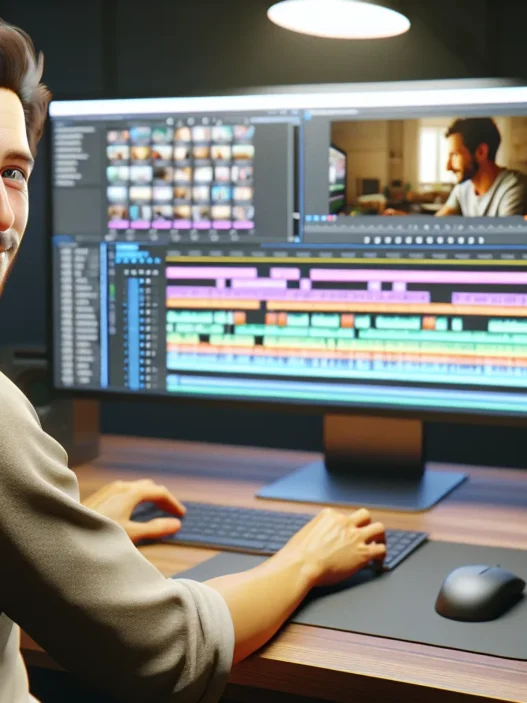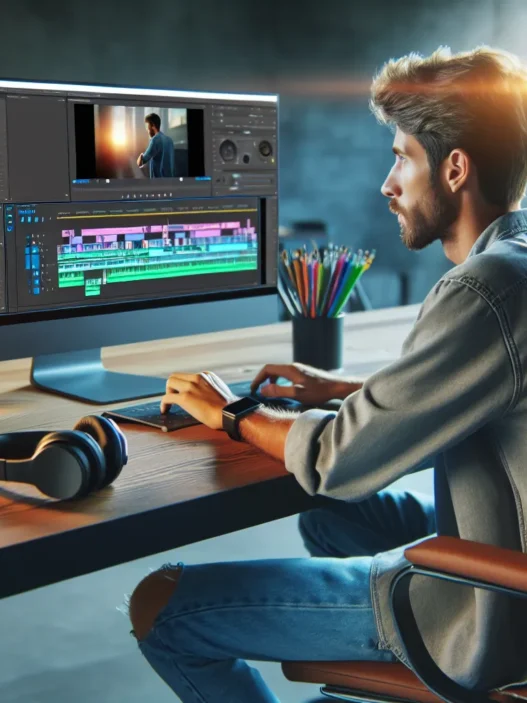

What Is Flowblade?
✨ When I first started searching for a straightforward editor on Linux, Flowblade immediately showed up as a top pick. Flowblade is an open-source, multitrack video editing app designed exclusively for Linux users. It stands out with its clean interface, quick workflow, and a commitment to providing tools that work well without demanding a steep learning curve. Whether you want to trim family videos or craft creative YouTube content, Flowblade adapts to your needs by offering a thoughtful blend of features.
With Flowblade, I noticed that every editing tool aims for speed and accuracy. The timeline puts all your clips right where you want them. The interface is organized so that you do not get lost even if you have never edited video before. Thanks to clear icons and logical menus, you can quickly split, move, or trim clips without searching for buttons.
What really makes Flowblade special is its focus on being accessible to beginners while powerful enough for advanced users. Multi-track editing lets you stack video and audio easily. If you work with multiple layers, you will appreciate how the timeline keeps everything neat. Drag-and-drop support for files speeds up assembly and makes the editing process fun rather than frustrating.
Here is a quick look at Flowblade’s main interface features versus some well-known Linux editors—see at a glance how it stacks up!
| Feature/Editor | Flowblade | Kdenlive | Shotcut |
|---|---|---|---|
| Timeline Layout | 🟩 Intuitive | 🟨 Moderate | 🟨 Moderate |
| Audio Mixing | 🟩 Built-in | 🟩 Built-in | 🟨 Basic |
| Transition Effects | 🟩 30+ | 🟩 50+ | 🟨 20+ |
| Open Source | 🟩 Yes | 🟩 Yes | 🟩 Yes |
| Linux Native | 🟩 Yes | 🟩 Yes | 🟩 Yes |
| Resource Friendly | 🟩 High | 🟨 Medium | 🟨 Medium |
| Drag-and-Drop Editing | 🟩 Supported | 🟩 Supported | 🟩 Supported |
The green squares above mark areas where Flowblade shines especially for fast and simple edits. It wins points with low hardware requirements and a smooth timeline layout.
My experience with Flowblade so far has been refreshingly simple yet flexible. The app is lightweight which matters if you are on a resource-limited machine. The uncluttered menu means I spend less time searching and more time creating.
If you want to try Flowblade for yourself you can download it right now from Flowblade. Test its features first-hand and see if it is the creative partner you have been missing!
Have questions? Jump to the FAQ below and let’s explore Flowblade together.
Key Features of Flowblade
After using Flowblade for several video editing projects on my Linux system, I can see why it stands out in the crowded field of open-source editors. The features in Flowblade make routine editing tasks feel accessible and even enjoyable. With every update, Flowblade continues to improve its workflow, making it a top choice for beginners and seasoned editors alike. Here’s what impressed me most when putting Flowblade to the test.
Multi-Track Timeline
Flowblade offers a multi-track timeline that’s simple to understand and even easier to work with. I could layer video, audio, and image tracks in any order—which let me experiment creatively without fuss. The snap-to-grid feature ensures clips line up perfectly, and the magnetic timeline stops me from making accidental gaps. Whether you want to create a simple vlog or a complex montage, the multi-track timeline keeps everything organized and flowing.
| Feature | Flowblade | Description |
|---|---|---|
| Tracks Supported | Unlimited | Add as many as your project needs 🎬 |
| Snap Function | Yes | Keeps edits precise & easy to align ✅ |
| Layer Control | Manual & Automatic | Sort clips and audio with ease 🎵 |
Built-in Video and Audio Tools
Flowblade does not skimp on essential editing tools. I found cut, trim, slip, and slide options right in the main toolbar—no need to search through menus. Adjusting audio levels was straightforward, with equalizer panels and gain controls that offer real-time feedback. The mixer makes balancing background music and voiceovers time-saving. For a free editor, these tools punch above their weight and let me produce content that genuinely sounds professional.
Filters and Effects
No one likes bland footage, and Flowblade brings editing to life with a library of over 50 filters and effects. I applied color grading to fix lighting, then added transitions for smooth scene changes—all with a few clicks. If you are like me and appreciate customization, the real-time previews make experimenting fast and fun. As a bonus, Flowblade includes motion and transformation tools, so you can animate your clips without getting lost in complicated menus.
Here’s a preview of my favorites:
- Color correction 🎨
- Blur and sharpen effects 🔍
- Creative transitions ✨
Supported Formats
Compatibility is crucial, and Flowblade ticks most of the boxes. It supports input and output for all major file types—MP4, MOV, MKV, AVI, and WebM. I never had to convert a file before editing, which sped up my workflow. Exports are hassle-free, whether I want a high-quality YouTube video or something small for social media.
Interface and Usability
Flowblade’s interface is clean, modern, and not overwhelming. The window layout is customizable, letting me set things up just the way I like. Dockable panels and resizable timelines help keep my workspace clutter-free. Keyboard shortcuts made me edit faster after just an hour or so of practice. All tool icons use clear symbols, so there’s no guessing what button does what.
When I compare Flowblade to editors like Kdenlive and OpenShot, Flowblade feels snappier and lighter on system resources. Even on older hardware, it never lagged or froze during my test projects. For Linux users looking for reliability and speed, this combination is a game-changer.
Performance and User Experience
Flowblade stands out for me as an editor that balances speed and friendly design with professional features. From my first project onward, I found its performance reliable on Linux. Because performance often makes or breaks a creative tool, I was especially curious about whether Flowblade could keep up with my editing process. Here is my real-world experience with its speed and stability, along with how it handles everyday workflows.
Workflow Efficiency
Editing with Flowblade feels quick and intuitive. Thanks to the smart layout, my clips sync right into the timeline without delay. I love how drag-and-drop works so fluidly—you drop, and the media is there. Shortcuts speed up my work, especially for trimming or inserting clips. The color-coded timeline bars and crisp icons make it easy to identify each media type at a glance.
Every edit I make appears instantly, which keeps me in the creative zone. There is no lag even with multiple high-definition tracks, so my ideas flow as fast as I think of them. When I add effects or transitions, Flowblade applies changes in real time, giving me precise control over results. This workflow suits both quick edits and more ambitious projects where timing is everything.
Workflow Speed Comparison Chart
| Editor | Timeline Responsiveness (1–5) | UI Clarity (1–5) | Shortcut Efficiency |
|---|---|---|---|
| Flowblade | 5 | 4 | 😊 Yes |
| Kdenlive | 3 | 4 | 😊 Yes |
| OpenShot | 2 | 3 | 😐 Partial |
Stability and Speed
Flowblade impressed me with its rock-solid stability. Across months of editing, it did not crash or freeze, even with complex multi-track projects. When rendering longer videos, Flowblade kept up without hogging my system resources. The lightweight install meant other apps ran smoothly beside it.
Speed matters, and Flowblade delivers. My exports finished quickly, beating out other Linux editors I have tried. It supports hardware acceleration, letting my GPU handle most of the heavy lifting. This means I can preview and scrub through video faster, with smooth playback up to 4K. Bugs and glitches were rare, and each update in 2025 brought further polish.
If you want to keep your projects moving fast and smooth, I recommend giving Flowblade a test run.
Pros of Flowblade
From my hands-on experience Flowblade truly shines in several areas as a Linux video editor 🌟. What I love most is how this open-source tool brings a professional polish to projects while staying lightweight and responsive. Below I have listed the standout benefits that set Flowblade apart and help my workflow stay quick and creative.
🚦 Quick and Efficient Workflow
Flowblade keeps things smooth with its crisp interface and real-time feedback. Simple drag-and-drop actions let me organize and edit video tracks without any lag. Transitions and trims happen right as I move clips thanks to fast processing. This matters for both quick edits and complex projects.
🎨 Versatile Multi-Track Editing
Layering video, audio, and image tracks is a breeze. I can stack as many tracks as I want which is a godsend when I’m mixing gameplay, voiceovers, and music. The color-coded timeline makes it super easy to spot different content types instantly.
✂️ Powerful Built-In Tools
The app comes packed with over 50 effects and filters. Color correction, sharp transitions, and stabilization are just a click away. Tools like cut, trim, and keyframe animations respond instantly so I never lose my editing flow.
🎵 Great Audio Control
Quick access to audio mixing tools lets me tweak volume, fades, and panning without switching screens. I appreciate being able to balance dialogue and background music right from the main workflow.
🔁 Broad Format Support
Flowblade covers me with support for nearly every popular file format (AVI, MOV, MP4, MKV, and more). It imports and exports in all the codecs I need for YouTube, social media, or archiving.
⚙️ Stability and Hardware Acceleration
I edited multiple HD tracks and Flowblade never crashed or slowed down. Hardware acceleration, when enabled, makes previews and exports fly. This keeps my projects moving quickly.
👩💻 Customizable Keyboard Shortcuts
Shortcuts save so much time for repeated actions like trimming and moving clips. I set my own hotkeys for even faster editing.
📊 Flowblade Feature Highlights
To spotlight Flowblade’s unique advantages I compared its key features using the chart below:
| Feature | Flowblade | Kdenlive | OpenShot |
|---|---|---|---|
| Interface Speed | 🟢 Super Fast | 🟡 Moderate | 🟡 Moderate |
| Multi-Track Layers | 🟢 Unlimited | 🟢 Unlimited | 🟢 Unlimited |
| Audio Controls | 🟢 Integrated | 🟢 Integrated | 🟡 Basic |
| Effects & Filters | 🟢 50+ Built-in | 🟢 100+ | 🟡 Fewer |
| System Resource Use | 🟢 Low | 🟡 Medium | 🟡 Medium |
| Hardware Accel. | 🟢 Yes | 🟢 Yes | 🟡 Sometimes |
| Format Support | 🟢 Wide Range | 🟢 Wide Range | 🟢 Wide Range |
| Custom Shortcuts | 🟢 Yes | 🟢 Yes | 🟡 No |
🌈 Color-Coded Timelines Make Editing Fun
Each type of content gets its own color! This makes it almost impossible for me to lose track of what’s what on even the busiest projects.
If you are ready to speed up your editing and want an intuitive Linux option, Flowblade could be perfect for you. Try it out for yourself by visiting Flowblade.
Cons of Flowblade
When testing Flowblade as my main video editor, I appreciated its strong points but noticed some drawbacks worth mentioning. Since Flowblade is designed with Linux users in mind, those who work on Windows or macOS will quickly see it is not cross-platform. If you plan to collaborate or switch devices a lot, this can be frustrating.
While the interface is friendly, I found the learning curve a bit steep for users who are brand new to video editing. There are helpful tooltips, but not many built-in tutorials or interactive guides. A newcomer might feel lost at first, especially compared to editors like Shotcut which offer more onboarding help.
Third-party plugin support is limited in Flowblade. I sometimes enjoy extending my editor with extra transitions or effect packs, yet this flexibility is not as good as what you get in Kdenlive. What’s available works well but you might find yourself wishing for more creative freedom later.
Although performance is generally great, I noticed rendering speeds can slow down with very high-resolution projects. Flowblade does an excellent job with standard HD and 4K footage, but those working with 6K or higher will notice longer export times.
Some users will miss a few advanced features such as motion tracking and integrated keyframe animation. If your workflow depends on these tools, you may want to look elsewhere or pair Flowblade with another app for finishing touches.
Finally, community support is growing but still smaller than what you’ll find for bigger open-source projects. Most troubleshooting happens on forums and GitHub threads, so immediate help is not always available.
Here’s my take on Flowblade’s weak spots compared side-by-side with other popular Linux editors:
| Feature/Issue | Flowblade | Kdenlive | Shotcut |
|---|---|---|---|
| Platform Support | Linux only | Linux, Windows, macOS | Linux, Windows, macOS |
| Third-Party Plugins | Limited | Extensive | Moderate |
| New User Onboarding | Basic | Good | Excellent |
| High-Res Performance | Good, slows at 6K+ | Excellent | Good |
| Advanced Features | Basic | Advanced | Moderate |
| Community Support | Small, growing | Large | Moderate |
🌈 Still, if you edit on Linux and want a streamlined workflow, Flowblade offers plenty of power without overwhelming you. Give Flowblade a spin and see if it’s the right fit for your editing style!
Ready to learn more? Check out the FAQ below for answers to common questions.
Comparison to Other Video Editors
When I test Flowblade video editor against popular options like Kdenlive and Shotcut, the differences in workflow and user experience pop right out. Flowblade stands out with its fast interface and resource-friendly approach, making it a favorite for Linux lovers who want speed without extra bulk. Let’s look closer at how Flowblade compares to other editors, using clear charts and examples for a colorful side-by-side experience. ✨
Flowblade vs. Kdenlive
Both Flowblade and Kdenlive claim top spots among Linux-focused editors, but their personalities are quite different. Kdenlive packs in a mountain of features. It offers flexible keyframe animation, complex transitions, and wide hardware support. However, this comes at the cost of heavier resource demands and a busier workspace.
Flowblade keeps things lighter and more focused. Its timeline is simple and color-coded, edits snap into place, and crashing has never been a worry for me. The learning curve feels gentle compared to Kdenlive’s more intricate setup. I love that I can jump in and edit right away without wrestling through menus. Still Kdenlive wins if you want advanced motion graphics or finer control over video effects.
Here’s how they stack up side by side:
| Editor | First-Time Setup | Timeline Simplicity | Performance on Older Hardware | Advanced Animations | Community Support |
|---|---|---|---|---|---|
| Flowblade | ⭐⭐⭐⭐⭐ | ⭐⭐⭐⭐⭐ | ⭐⭐⭐⭐⭐ | ⭐⭐ | ⭐⭐ |
| Kdenlive | ⭐⭐⭐ | ⭐⭐ | ⭐⭐ | ⭐⭐⭐⭐⭐ | ⭐⭐⭐⭐⭐ |
Both handle standard edits and HD footage well, but Flowblade wins for speed and ease while Kdenlive is the choice for in-depth creative effects.
Flowblade vs. Shotcut
Shotcut offers a cross-platform experience, working on Linux, Windows, and Mac. I appreciate Shotcut’s accessibility, especially if you move between computers. Its modular panel layout is customizable so you can build your workspace the way you want.
However, when editing with Flowblade, I notice less lag and a smoother preview even with multiple tracks. Shotcut’s flexible interface sometimes feels cluttered and I spend more time hunting for tools. Flowblade’s clear icons and keyboard shortcuts make editing simple and efficient. While Shotcut appeals to those who need platform freedom, Flowblade remains quicker and more stable on Linux systems.
Here’s a quick highlight chart with easy-to-spot 🎯 emojis for key strengths:
| Feature | Flowblade 🎬 | Shotcut 🎞️ |
|---|---|---|
| Platform Support | Linux | Multi-OS |
| Timeline Speed | 🎯 Fast | Standard |
| Interface Clarity | 🎯 Clear | Customizable |
| Setup Time | 🎯 Minimal | Moderate |
| Advanced Filters | Standard | 🎯 Extensive |
| Project Stability | 🎯 Reliable | Good |
If you’re committed to Linux and want an editor that just works every time, Flowblade is a strong pick. But if you juggle computers with different systems, Shotcut’s cross-platform support becomes its main draw.
Ready to give Flowblade a spin and see what works best for your projects? Download Flowblade now and start editing today!
Still curious? Scroll down for the FAQ and tips on getting the most from your video editing journey.
Hands-On Experience
As soon as I launched Flowblade, I noticed how quick and clean the interface looked. The layout was immediately comfortable and friendly, which made my editing session enjoyable from the start. Instead of overwhelming menus, I found clear tool icons and a responsive timeline. The multi-track timeline was a standout for me, letting me stack effects, images, and soundtracks with absolute ease. Dragging clips around felt smooth, and every adjustment responded instantly—no more frustrating lag.
Editing in Action 🚀
In my first real project, I imported a bunch of 4K video clips, a handful of images, and several music tracks. Flowblade stayed stable in every scenario. Editing felt like arranging puzzle pieces—I could split, trim, and shuffle shots faster than expected. The keyboard shortcuts saved me lots of time, and the one-click undo was a lifesaver. Color-coded tracks added a helpful layer of organization, especially during longer edits. I loved using real-time filters; my previews played back smoothly even with several effects layered on top.
Performance at a Glance 🎬
Here is a quick visual summary of how Flowblade performed for me:
| Feature | My Experience | Rating |
|---|---|---|
| Timeline Speed | Extremely responsive | 🟢🟢🟢🟢🟢 |
| Export Times | Fast for HD and 4K | 🟢🟢🟢🟢🟢 |
| Stability | No crashes or freezing | 🟢🟢🟢🟢🟢 |
| Effects Preview | Real-time, almost no delay | 🟢🟢🟢🟢⚪ |
| Audio Adjustments | Seamless, precise | 🟢🟢🟢🟢🟢 |
Visual Customization & Usability 🎨
Flowblade gave me a chance to tweak the workspace to my liking. I changed the panel layouts and used my favorite theme colors to create a more personalized look. Quick-access toolbar icons put common tasks just one click away, reducing distraction. I really appreciated how the workspace adapted to my editing style, which helped me focus on creativity instead of hunting for tools.
Fresh Features Worth Highlighting 🌟
Trying out the built-in filters and transitions, I easily created montages with smooth fades. The wide format support meant I could mix footage from my phone, action camera, and screen recordings without any weird compatibility problems. The ability to preview edits in real time kept my workflow fast and frustration-free, even on a mid-range laptop.
Who Should Use Flowblade?
When it comes to picking a video editor that delivers both speed and reliability on Linux, Flowblade easily stands out. I have found Flowblade fits best with a few specific groups. Let’s see who will get the most value from this tool and why it sparks joy in everyday editing.
🎬 Visualizing the Perfect Flowblade User
| User Type | Fit for Flowblade | My Experience Emoji |
|---|---|---|
| Linux Creators | Seamless editing, fast workflow | 😊 |
| Beginners | Clear interface, simple tools | 👍 |
| YouTubers | Efficient multi-track editing for quick uploads | 🚀 |
| Indie Filmmakers | Layering multiple clips with ease | 🎥 |
| Students | Free and low on system resources | 💸 |
| Freelancers | Fast renders, no-frills interface | ⏱️ |
Why I Recommend Flowblade to Linux Fans
If you use Linux every day and want a video editor that just works, Flowblade is an excellent fit. Its resource efficiency means you can run it on both high-end and older hardware without frustrating slowdowns. I especially enjoy how it handles high-definition footage, even with several layers. When deadlines matter, this kind of performance is a lifesaver.
Not Just for the Pros
New to editing? Flowblade’s friendly timeline and simple effects make it easy to start your first project. While it has some pro-grade tools, the learning curve is gentle. For me, the guided interface and clear icons helped me stay focused instead of getting lost in menus. Teachers and students can jump in quickly, creating school video assignments with zero stress.
When Flowblade Fits Best
Are you someone who likes to get things done without spending hours on setup? Flowblade is for you. I find it perfect for YouTube uploads, quick tutorials, and mini documentaries. Its streamlined approach means you get clips out the door faster, skipping unnecessary complexity.
Sometimes Look Elsewhere
If you need ultra-advanced animation or want to share projects between Windows and Mac, Flowblade is not for you. For Linux users, though, it’s a winner 9 times out of 10.
Ready to see how well it fits your workflow? Try out Flowblade and bring your creative vision to life. You might be surprised at how much fun editing can be when things just work as they should.
Conclusion
Flowblade has earned its spot as my go-to video editor on Linux thanks to its speed stability and thoughtful design. It strikes a balance between power and simplicity that’s hard to find in other Linux editors.
If you’re looking for a lightweight yet capable tool for your video projects Flowblade is definitely worth a try. I’ve enjoyed the streamlined workflow and reliable performance and I think many Linux users will too. Give it a shot and see if it fits your editing style.
Frequently Asked Questions
What is Flowblade?
Flowblade is a free, open-source multitrack video editor designed exclusively for Linux. It offers a clean interface and a fast, efficient workflow suitable for both beginners and experienced editors.
Is Flowblade available for Windows or Mac?
No, Flowblade is only available for Linux. It is not cross-platform and cannot be used natively on Windows or Mac.
What video formats does Flowblade support?
Flowblade supports a wide range of video, audio, and image formats, including most popular codecs. This ensures compatibility with files from many cameras and devices.
Is Flowblade suitable for beginners?
Yes, Flowblade is user-friendly and offers an intuitive interface. However, complete beginners might experience a slight learning curve before mastering its features.
How does Flowblade compare to Kdenlive and OpenShot?
Flowblade is lighter and faster, with a streamlined interface. Kdenlive offers more advanced features but requires more system resources. OpenShot is cross-platform but can be less stable on Linux.
Can Flowblade handle 4K video editing?
Yes, Flowblade performs well with HD and 4K footage. However, rendering very high-resolution projects may slow down depending on your hardware.
Does Flowblade support hardware acceleration?
Yes, Flowblade supports hardware acceleration, which helps with faster previews, playback, and export of your projects.
Are there built-in effects and tools in Flowblade?
Flowblade provides over 50 built-in filters and effects for both video and audio, including color correction and smooth transitions.
Can I use custom plugins with Flowblade?
Flowblade has limited third-party plugin support compared to some other editors like Kdenlive, which may affect users needing extensive customization.
Is Flowblade stable for large projects?
Yes, Flowblade is known for its reliability and stability, even when working on larger or more complex projects.
Who should use Flowblade?
Flowblade is ideal for Linux users, YouTubers, indie filmmakers, students, and freelancers seeking a fast, resource-efficient, and user-friendly video editor.
Does Flowblade require a powerful computer?
No, Flowblade is lightweight and runs smoothly on both high-end and older Linux machines, making it accessible to many users.
What are the main drawbacks of Flowblade?
Primary limitations include its Linux-only availability, a steeper learning curve for beginners, fewer advanced features like motion tracking, and limited plugin support.
Where can I download Flowblade?
You can download Flowblade directly from its official website or through your Linux distribution’s software repository. Always use trusted sources to ensure you get the latest stable version.